SCM Growth Raises the Bar for Qualified GBFS Supply
Growing demand for supplementary cementitious materials makes consistent quality, qualification and shipment readiness inseparable.
SCM 增长提高了合格 GBFS 供应的门槛
辅助性胶凝材料需求增长,让质量稳定、材料认证与发运准备变得不可分割。
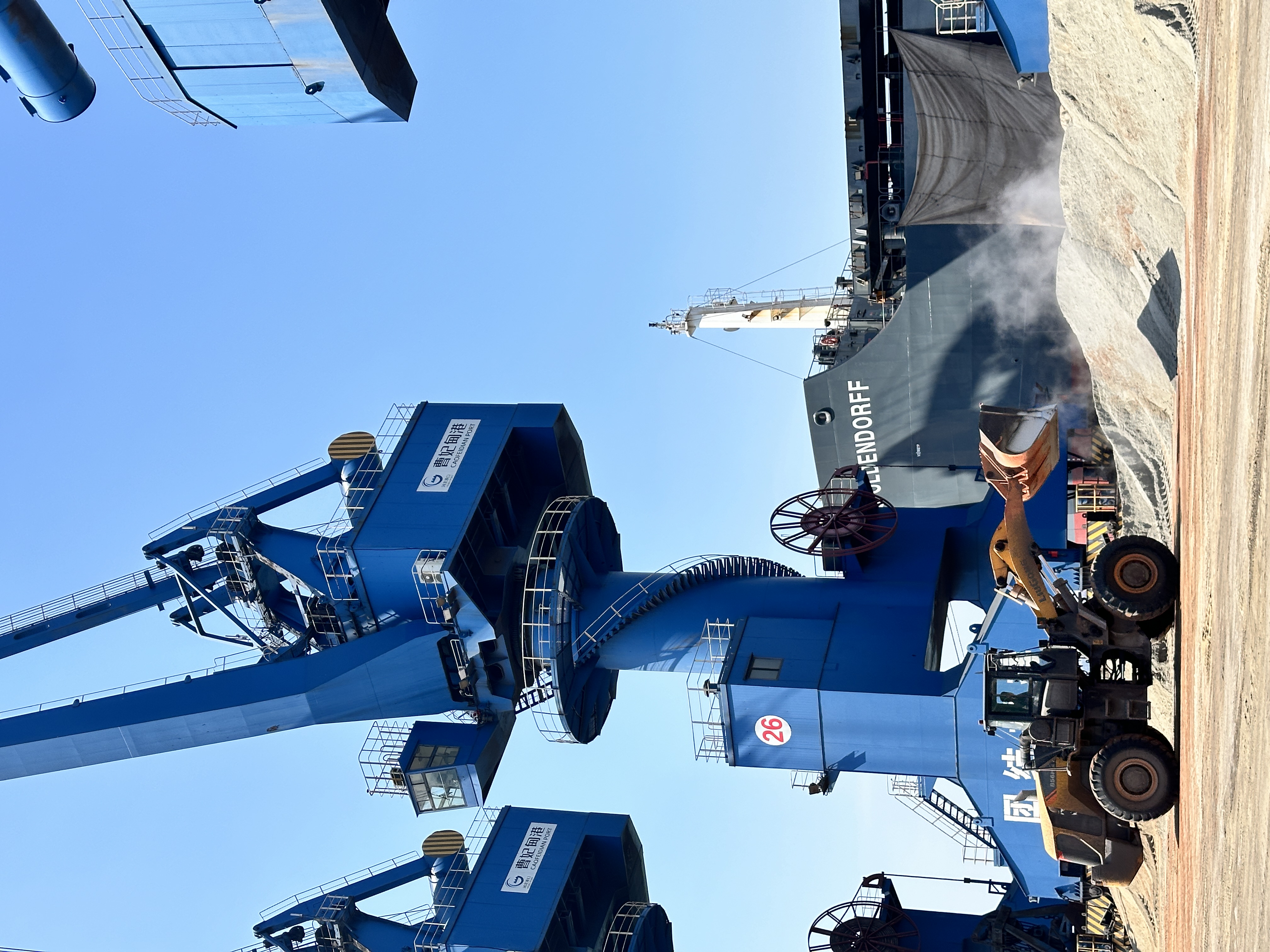
Recent industry research continues to point toward growth in supplementary cementitious materials as cement and concrete producers pursue lower clinker factors. For procurement teams, the useful signal is not the headline forecast itself. It is the operational shift behind it: qualified GBFS and GGBFS supply must combine technical consistency with dependable logistics.
1. Demand growth increases the value of qualification
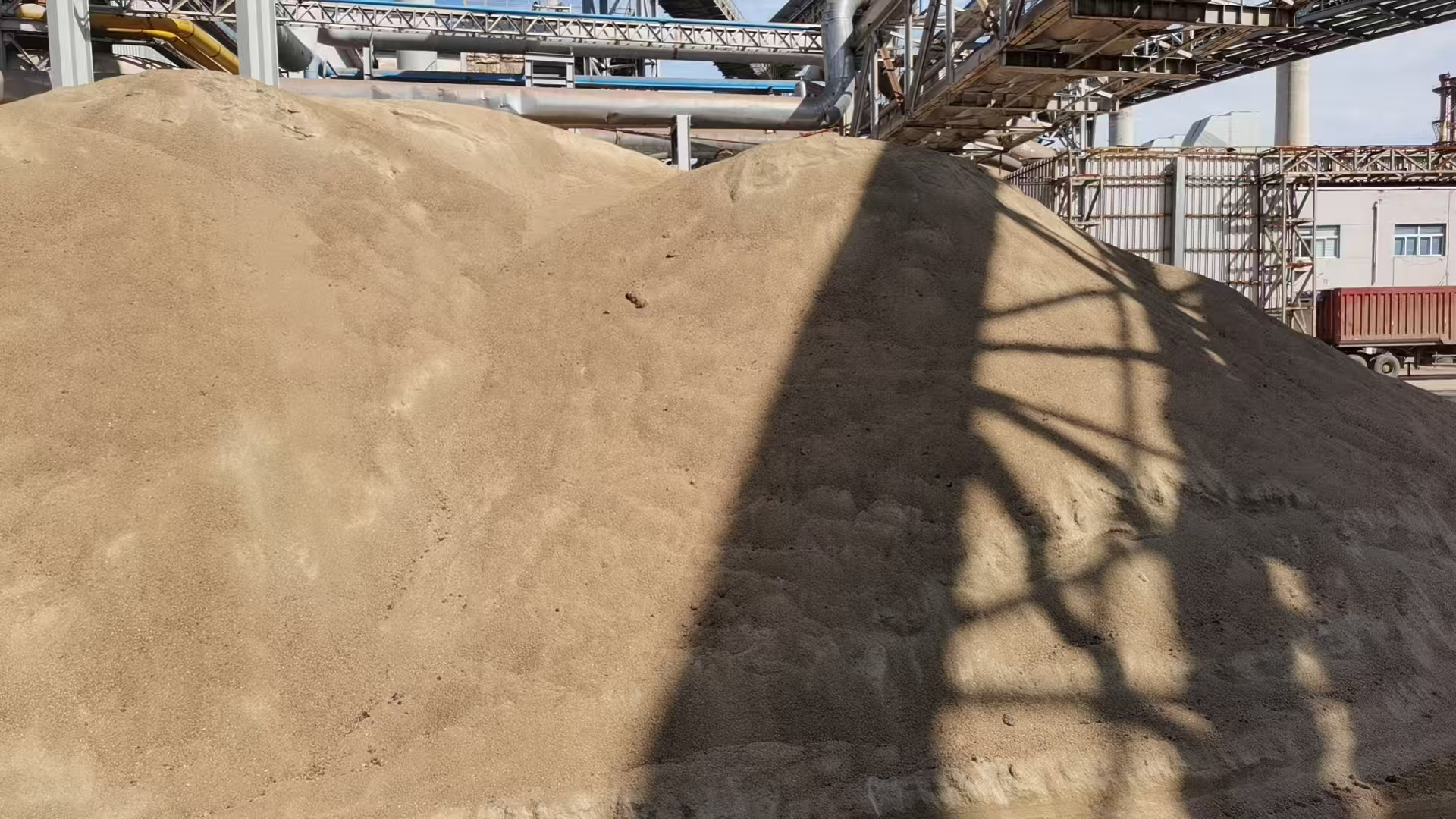
SCMs are not interchangeable simply because they can replace part of Portland cement. Chemistry, fineness, activity, moisture and application requirements affect performance. Buyers need representative samples, agreed test methods and a clear approval process before treating a source as commercially usable.
2. Repeatability matters after the first approval
A successful trial does not remove supply risk. Recurring cargoes need stable raw-material control, transparent inspection and documentation that allows each shipment to be checked against the agreed specification. As SCM use expands, dependable batch-to-batch performance becomes as important as initial qualification.
3. Logistics determines usable supply
Even qualified material has limited value if vessel fit, storage, laycan and loading readiness are unresolved. For bulk GBFS and GGBFS movements, buyers and suppliers should align quantity, specification, destination, loading method and timing before freight is fixed. SENLAN operates from its GGBFS supply base in Tangshan Caofeidian, with bulk-shipment execution through Caofeidian Port.
Takeaway: SCM growth is turning qualification and logistics into one procurement discipline. The strongest supply option is the one that combines verified material, repeatable quality and a realistic path from stockyard to vessel. Industry signals reviewed: recent SCM market reporting and low-clinker supply-chain analysis published in July and August 2026.
近期行业研究继续显示,随着水泥与混凝土生产商降低熟料系数,辅助性胶凝材料需求有望增长。对采购团队而言,真正有价值的并非预测数字本身,而是其背后的运营变化:合格的 GBFS 与 GGBFS 供应必须同时具备技术稳定性和可靠物流。
1. 需求增长提高了认证价值
不同 SCM 并不会因为都能替代部分硅酸盐水泥就自然等同。化学成分、细度、活性、水分与应用要求都会影响性能。买方需要代表性样品、约定检测方法和清晰的审批流程,之后才能把某一货源视为可商业使用。
2. 首次通过后仍需保持可重复性
一次试验成功并不会消除供应风险。持续货盘需要稳定的原料控制、透明检验以及能够按照约定规格核对每批货物的单证。随着 SCM 用量扩大,批次间表现稳定与首次认证同样重要。
3. 物流决定供应能否真正使用
即使材料合格,如果船型适配、仓储、laycan 与装货准备尚未解决,其商业价值仍然有限。针对散装 GBFS 与 GGBFS,买卖双方应在锁定运费前协调数量、规格、目的地、装载方式与时点。SENLAN 的 GGBFS 供应基地位于唐山曹妃甸,并通过曹妃甸港执行散装发运。
结论:SCM 增长正在把材料认证与物流变成同一套采购纪律。最有价值的供应方案,应同时具备经验证材料、可重复质量以及从堆场到船舶的现实执行路径。行业信号来源:2026 年 7 月和 8 月发布的近期 SCM 市场报道及低熟料供应链分析。
Planning a GBFS or GGBFS cargo?
Share specification, quantity, destination port, laycan and loading method so material qualification and shipment readiness can be reviewed together.
Discuss supply