2026-08-05
West Africa's Grinding Plants Put Clinker Logistics in Focus
Rising regional clinker movements show that grinding-led cement markets need dependable origins, suitable vessels and repeatable jetty execution.
西非粉磨站模式让熟料物流成为焦点
区域熟料流量增长表明,以粉磨站为主的水泥市场需要可靠货源、适配船型与可重复的码头执行。
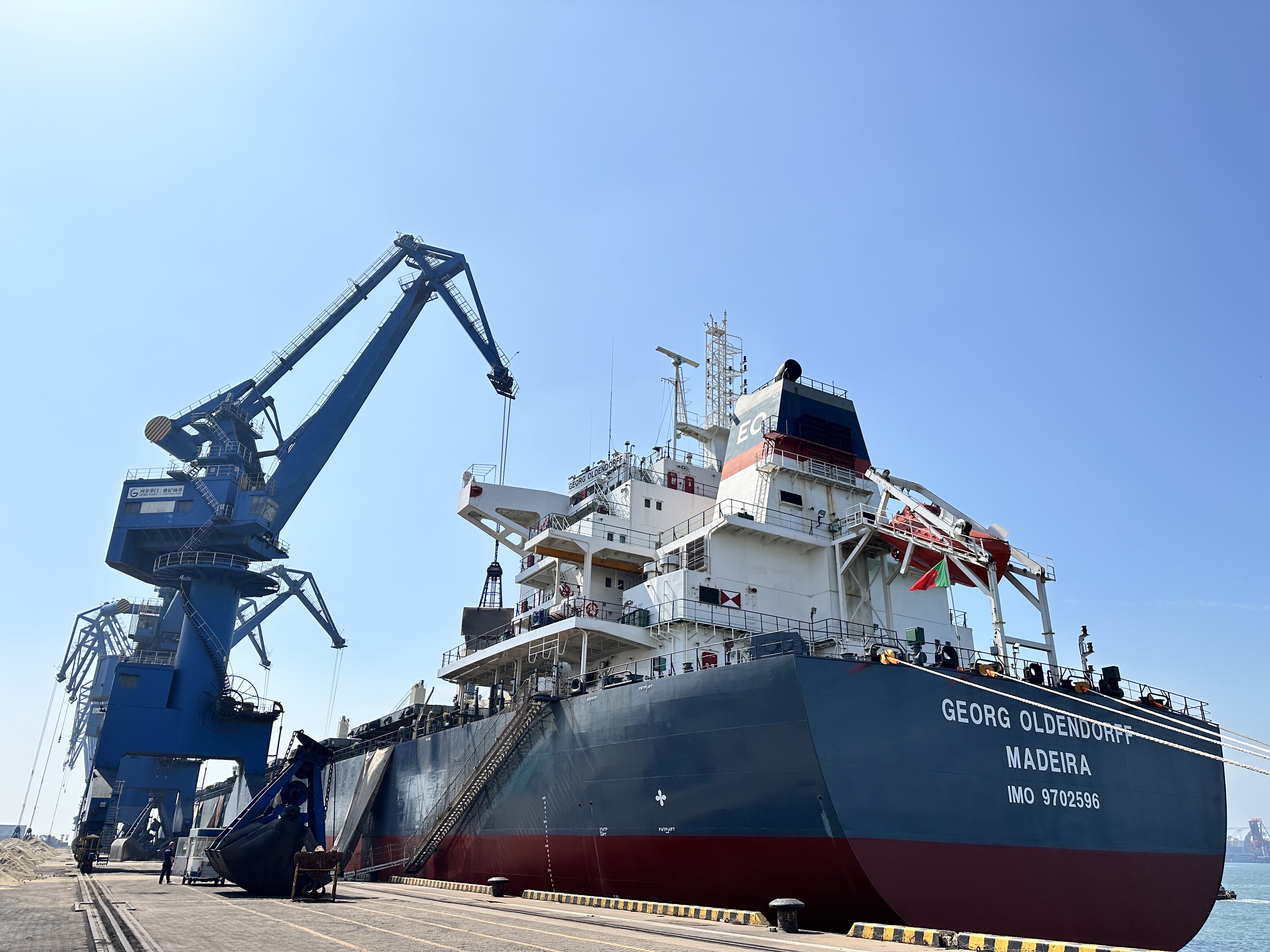
Recent reporting on Cameroon highlights the operating model behind many coastal cement markets. A 1.5 million-tonne-per-year grinding plant receives imported clinker through its own jetty, then combines it with local pozzolana and gypsum. The same report says clinker shipments from Nigeria to Cameroon and Ghana reached 754,000 tonnes in the first half of 2026, up 56.7% year on year. The figures are company-reported signals, but the broader lesson is clear: regional cement output increasingly depends on functioning maritime supply corridors.
1. Grinding capacity creates recurring import demand
A grinding plant avoids the capital and fuel requirements of a local kiln, yet it transfers part of the operating risk to the supply chain. Clinker availability, loading windows, voyage timing and discharge performance must stay aligned with mill inventories. One late cargo can affect production schedules, distributor allocations and customer delivery commitments.
2. Jetty access does not remove execution risk
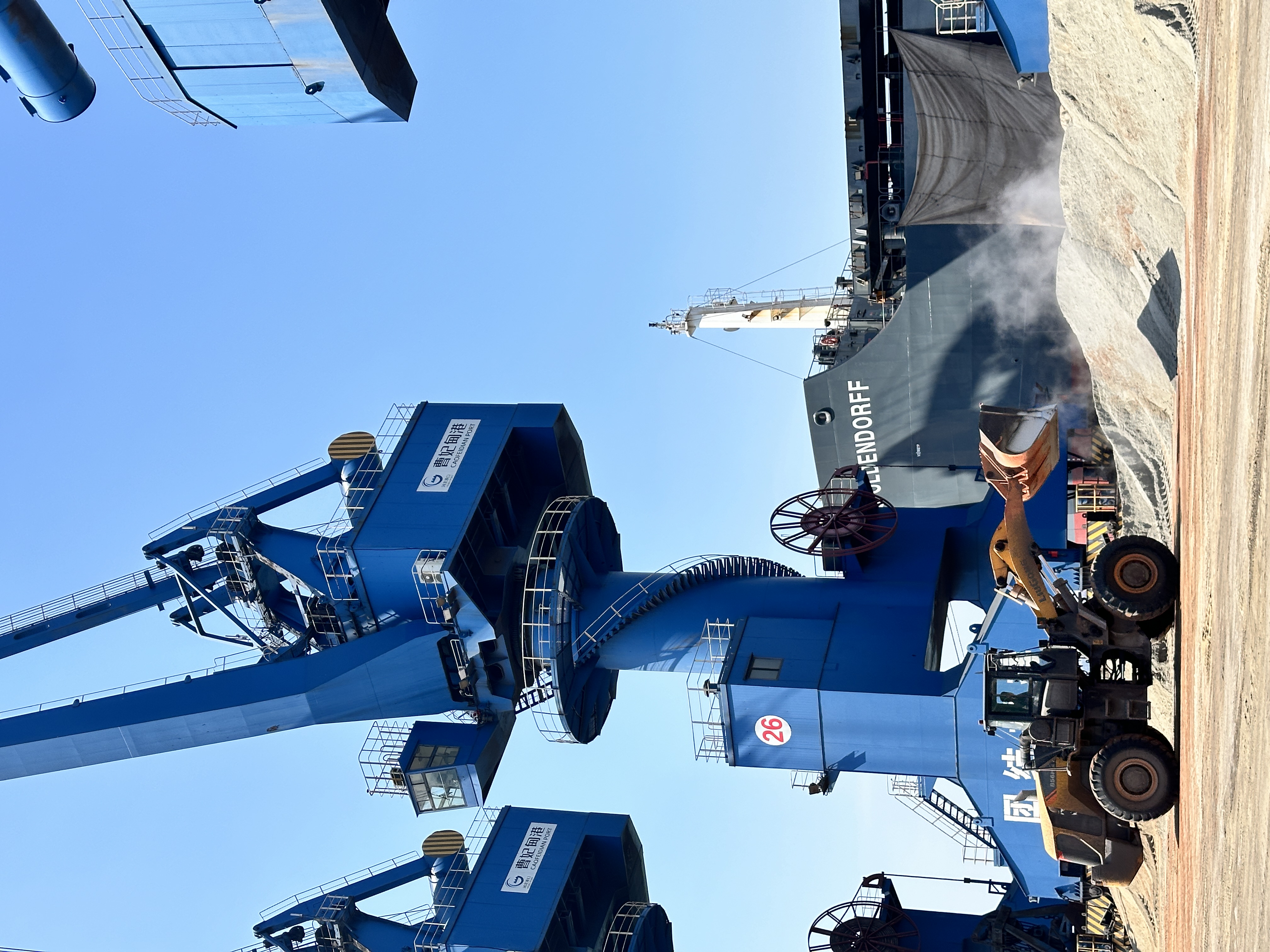
Direct jetty access can simplify discharge, but every shipment still needs compatible vessel dimensions, draft, unloading arrangements and a workable laycan. Buyers should confirm terminal restrictions, storage capacity and expected discharge rate before fixing freight. Sellers, charterers and receivers also need a shared document timeline so the cargo can clear and move without avoidable delay.
3. Origin diversification needs qualification, not just options
Additional origins can improve resilience when regional flows tighten, but a second source is useful only if chemistry, consistency, quantity and loading capability have been checked in advance. Representative sampling, agreed inspection and realistic shipment scheduling convert an alternative origin from a name on a list into an executable supply option.
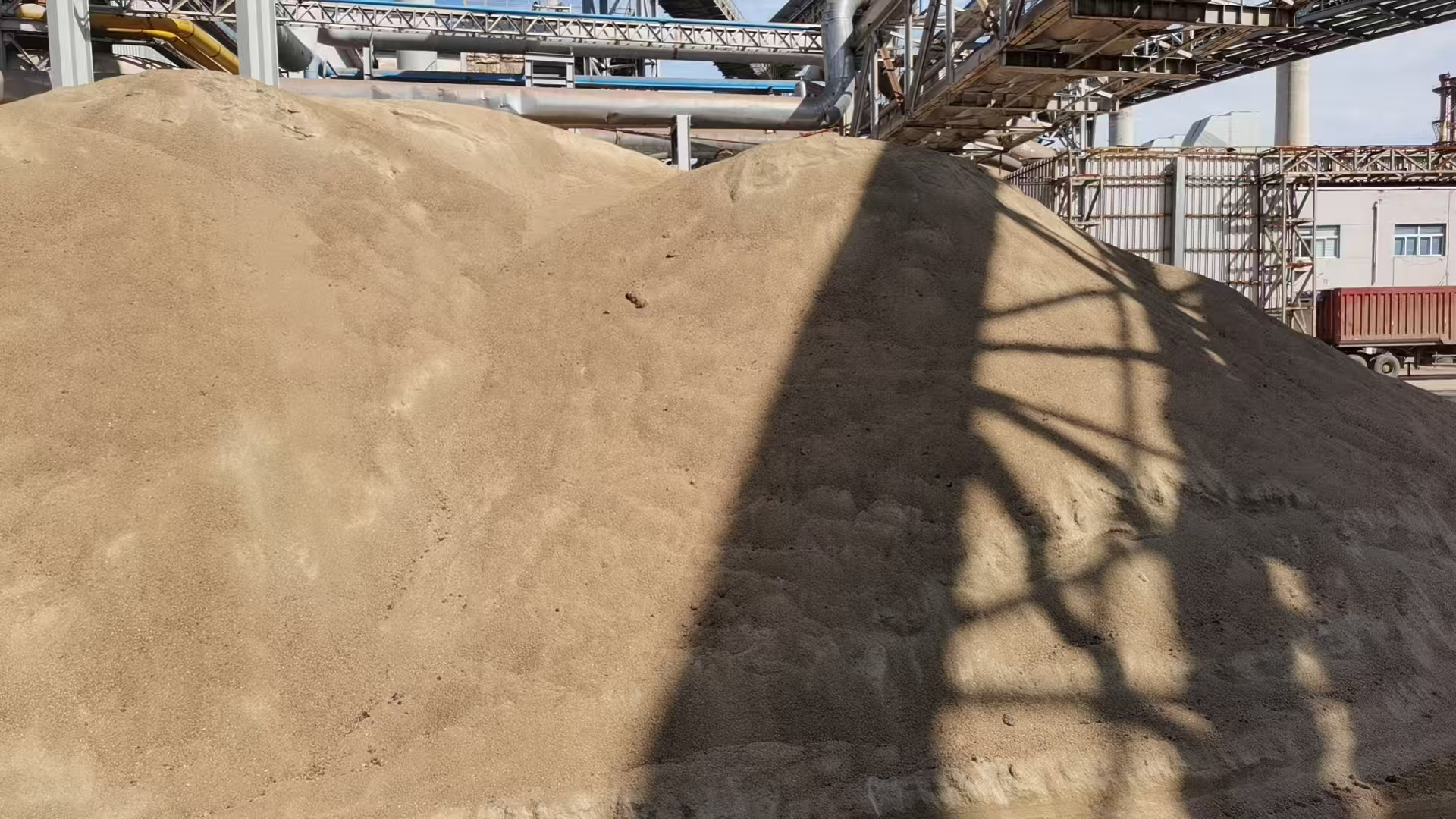
Takeaway: West Africa's grinding-led cement model shows why clinker trade is an operating system, not a one-off purchase. Dependable supply requires qualified material, vessel and terminal fit, disciplined laycan planning and repeatable documentation. SENLAN supports bulk mineral and cementitious-material shipment planning from Caofeidian. Industry signal: Business in Cameroon, 1 August 2026, citing Dangote Cement's unaudited half-year results.
近期关于喀麦隆的报道展现了许多沿海水泥市场背后的运营模式:一座年产能 150 万吨的粉磨站通过自有码头接收进口熟料,再与当地火山灰和石膏混合生产水泥。同一报道指出,2026 年上半年尼日利亚发往喀麦隆和加纳的熟料达到 75.4 万吨,同比增长 56.7%。这些数据属于企业披露的市场信号,但更广泛的结论十分明确:区域水泥产量越来越依赖顺畅运行的海运供应走廊。
1. 粉磨产能形成持续进口需求
粉磨站无需承担本地熟料窑的资本和燃料投入,但部分运营风险会转移到供应链。熟料可供量、装货窗口、航程时间和卸货效率必须与磨机库存保持协调。一船延误就可能影响生产计划、经销商配货和客户交付承诺。
2. 拥有码头并不会消除执行风险
直接靠泊码头可以简化卸货,但每一船仍需要匹配船舶尺度、吃水、卸货安排和可执行的 laycan。买方应在锁定运费前确认码头限制、仓储能力和预计卸率。卖方、租船方与收货方也需要共用清晰的单证时间表,避免货物因手续问题产生不必要延误。
3. 货源多元化需要认证,而不仅是备选名单
当区域流向趋紧时,增加货源地可以提高韧性;但只有提前核验化学成分、稳定性、数量和装货能力,第二货源才真正有用。代表性取样、约定检验和现实的发运计划,才能把名单上的备选产地变成可执行的供应方案。
结论:西非以粉磨站为主的水泥模式说明,熟料贸易是一套运营系统,而不是一次性采购。可靠供应需要合格材料、船舶与码头适配、有纪律的 laycan 规划以及可重复的单证执行。SENLAN 可从曹妃甸支持散装矿物及胶凝材料的发运规划。行业信号来源:Business in Cameroon,2026 年 8 月 1 日,引用 Dangote Cement 未经审计的半年业绩。
Planning a GBFS or GGBFS shipment?
Share specification, quantity, destination port, loading method and expected laycan so material and freight readiness can be assessed together.
正在规划 GBFS 或 GGBFS 发运?
请提供规格、数量、目的港、装载方式和预计 laycan,以便同步评估材料与运费准备度。