2026-08-04
Clinker Reduction Puts Verified SCM Supply in Focus
Recent evidence strengthens the case for direct clinker reduction—and for qualified, traceable SCM supply that can perform at commercial scale.
降低熟料比例,让经验证的 SCM 供应成为焦点
近期证据进一步支持直接降低熟料比例,也凸显了具备质量验证、可追溯且能规模化供应的 SCM 价值。
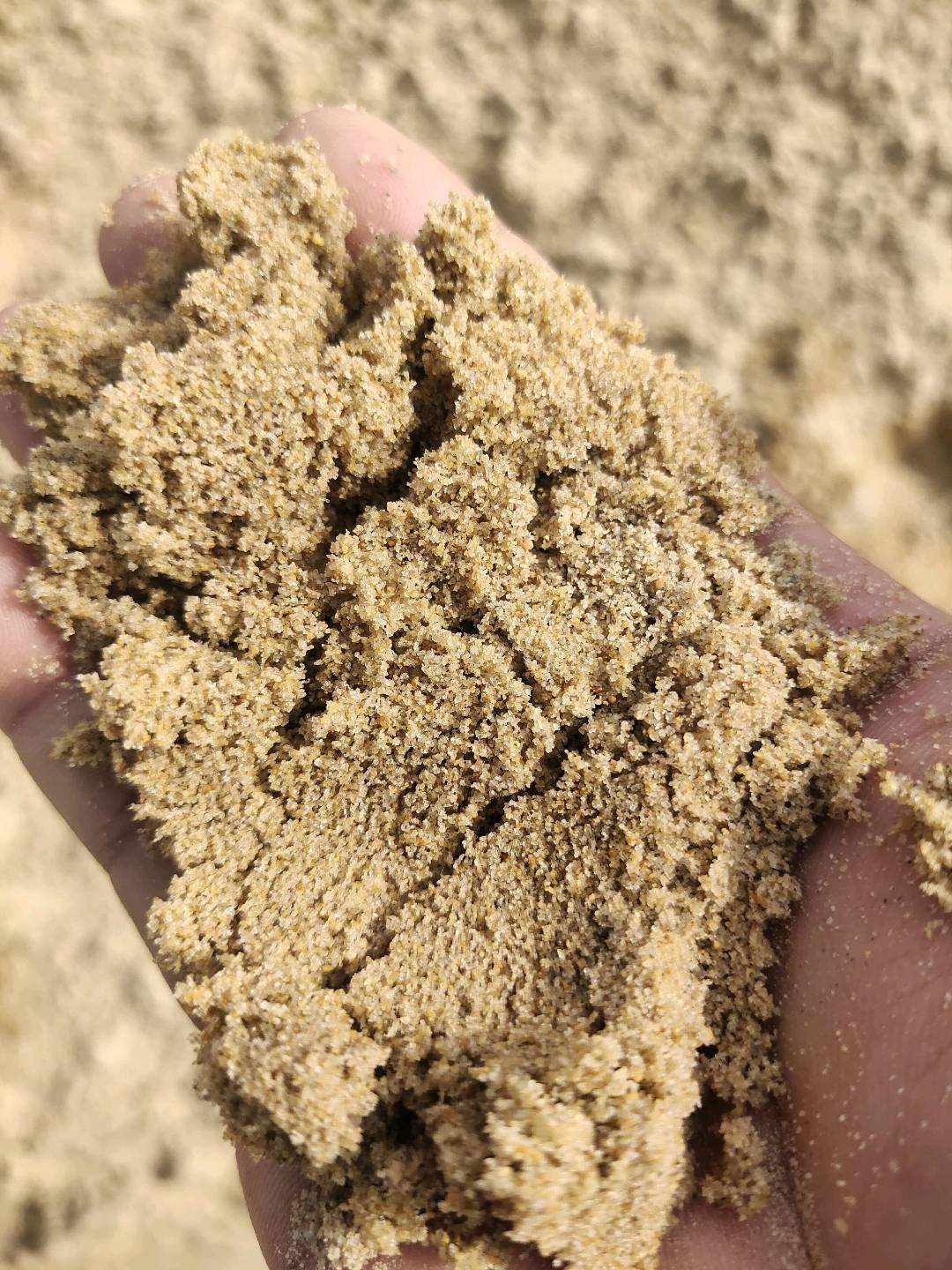
A July 2026 study in Communications Sustainability argued that natural carbonation of concrete makes only a limited contribution to offsetting cement-production emissions. At the same time, Thailand reported more than 3.8 million tonnes of cumulative CO₂e reductions since 2019 through lower-clinker hydraulic cement. Together, these signals put attention back on emissions avoided at production stage rather than benefits assumed after concrete is placed.
1. Lower clinker content is a direct, measurable lever
Clinker production creates both fuel-related and process emissions. Replacing a technically appropriate share of clinker with supplementary cementitious materials can reduce the emissions intensity of the binder at source. This does not remove the need for efficiency, alternative fuels or carbon capture, but it gives producers and buyers a practical lever that can be specified, tested and tracked today.
2. Substitution targets create a verification obligation
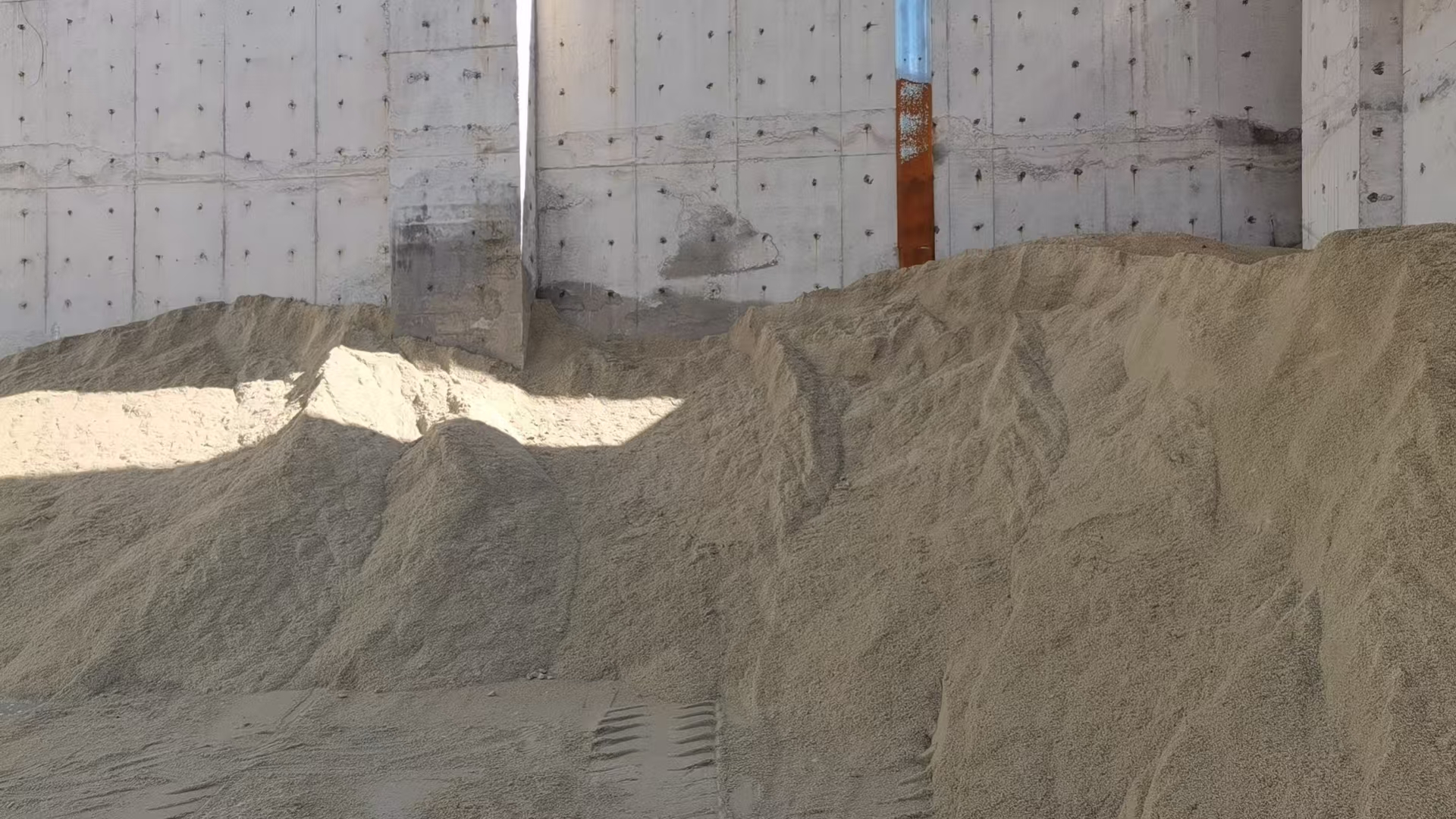
A lower clinker factor is not achieved by adding any available material. Chemistry, fineness, moisture, consistency and relevant standards all influence performance. For GBFS and GGBFS buyers, representative sampling and independent inspection should be aligned with the intended cement or concrete application. Procurement teams increasingly need evidence that the selected SCM can deliver repeatable results, not just a low-carbon label.
3. Scale depends on shipment-ready supply
Once a formulation moves beyond trials, logistics becomes part of technical reliability. Quantity, specification, loading method, laycan and destination constraints must be confirmed early. Bulk-vessel planning, clean storage, loading readiness and complete documents determine whether qualified material reaches the grinding plant or terminal without interrupting production.
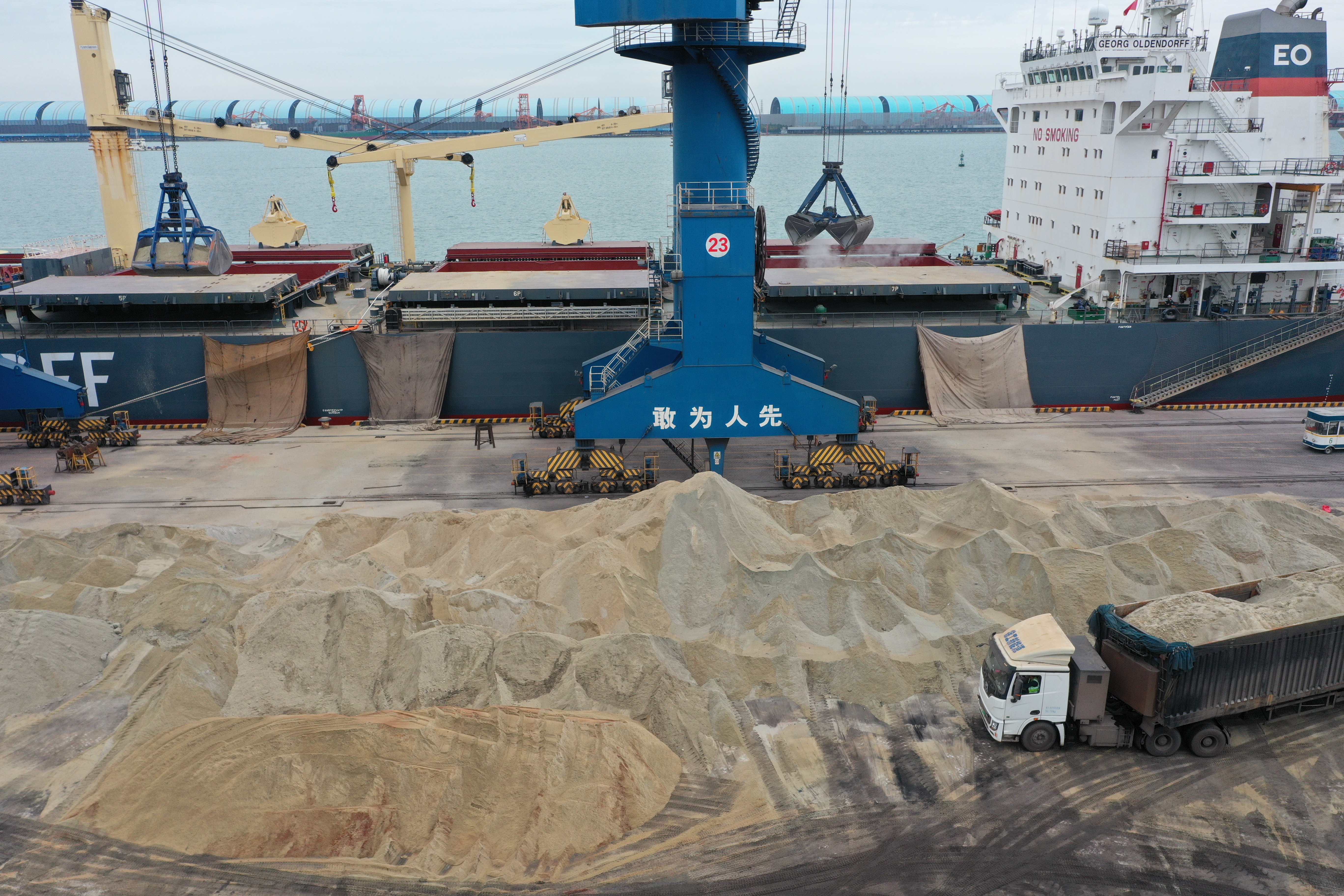
Takeaway: Recent research and industry implementation point in the same direction: avoiding emissions through lower clinker content deserves priority, but credibility depends on verified performance and dependable logistics. SENLAN supports GBFS and GGBFS shipment planning from Caofeidian for bulk-vessel and jumbo-bag requirements. Industry signals: Communications Sustainability, 25 July 2026; Thai Cement Manufacturers Association milestone reported in July-August 2026.
2026 年 7 月发表于《Communications Sustainability》的一项研究认为,混凝土自然碳化对抵消水泥生产排放的贡献有限。与此同时,泰国公布,自 2019 年以来通过推广低熟料水硬性水泥,累计减排已超过 380 万吨二氧化碳当量。这两项信号共同把注意力重新拉回生产阶段直接避免的排放,而不是混凝土使用后可能产生的碳吸收效益。
1. 降低熟料比例是直接且可衡量的减排抓手
熟料生产同时产生燃料排放和工艺排放。在技术条件允许的范围内,用辅助性胶凝材料替代部分熟料,可以从源头降低胶凝材料的排放强度。这并不取代能效提升、替代燃料或碳捕集,但它为生产商和买方提供了当下即可明确规格、检测并跟踪的实际手段。
2. 替代目标同时带来验证责任
降低熟料系数并不是加入任何可得材料。化学成分、细度、水分、稳定性及相关标准都会影响最终性能。对于 GBFS 与 GGBFS 买方,代表性取样和独立检验应与预期水泥或混凝土用途匹配。采购团队越来越需要证明所选 SCM 能稳定交付性能,而不只是拥有“低碳”标签。
3. 规模化取决于可发运供应
当配方从试验进入商业应用,物流便成为技术可靠性的一部分。数量、规格、装载方式、laycan 与目的港限制都需要提前确认。散装船规划、清洁储存、装载准备与完整单证,决定合格材料能否不打断生产地抵达粉磨站或码头。
结论:近期研究与行业实践指向同一方向:通过降低熟料比例直接避免排放值得优先推进,但其可信度取决于经验证的性能与可靠物流。SENLAN 以曹妃甸为 GBFS 与 GGBFS 发运基地,可支持散装船和吨袋需求。行业信号来源:《Communications Sustainability》,2026 年 7 月 25 日;泰国水泥制造商协会于 2026 年 7 至 8 月公布的减排进展。
Planning a GBFS or GGBFS shipment?
Share specification, quantity, destination port, loading method and expected laycan so material and freight readiness can be assessed together.
正在规划 GBFS 或 GGBFS 发运?
请提供规格、数量、目的港、装载方式和预计 laycan,以便同步评估材料与运费准备度。