2026-08-11
SCM Supply Diversification Keeps GBFS in Focus
As traditional supplementary cementitious material supply faces structural pressure, diversified portfolios are becoming essential—but qualification and logistics still decide what works at scale.
SCM 供应多元化让 GBFS 继续成为焦点
传统辅助性胶凝材料供应面临结构性压力,推动多元化组合成为必需,但材料认证与物流执行仍决定规模化应用能否落地。
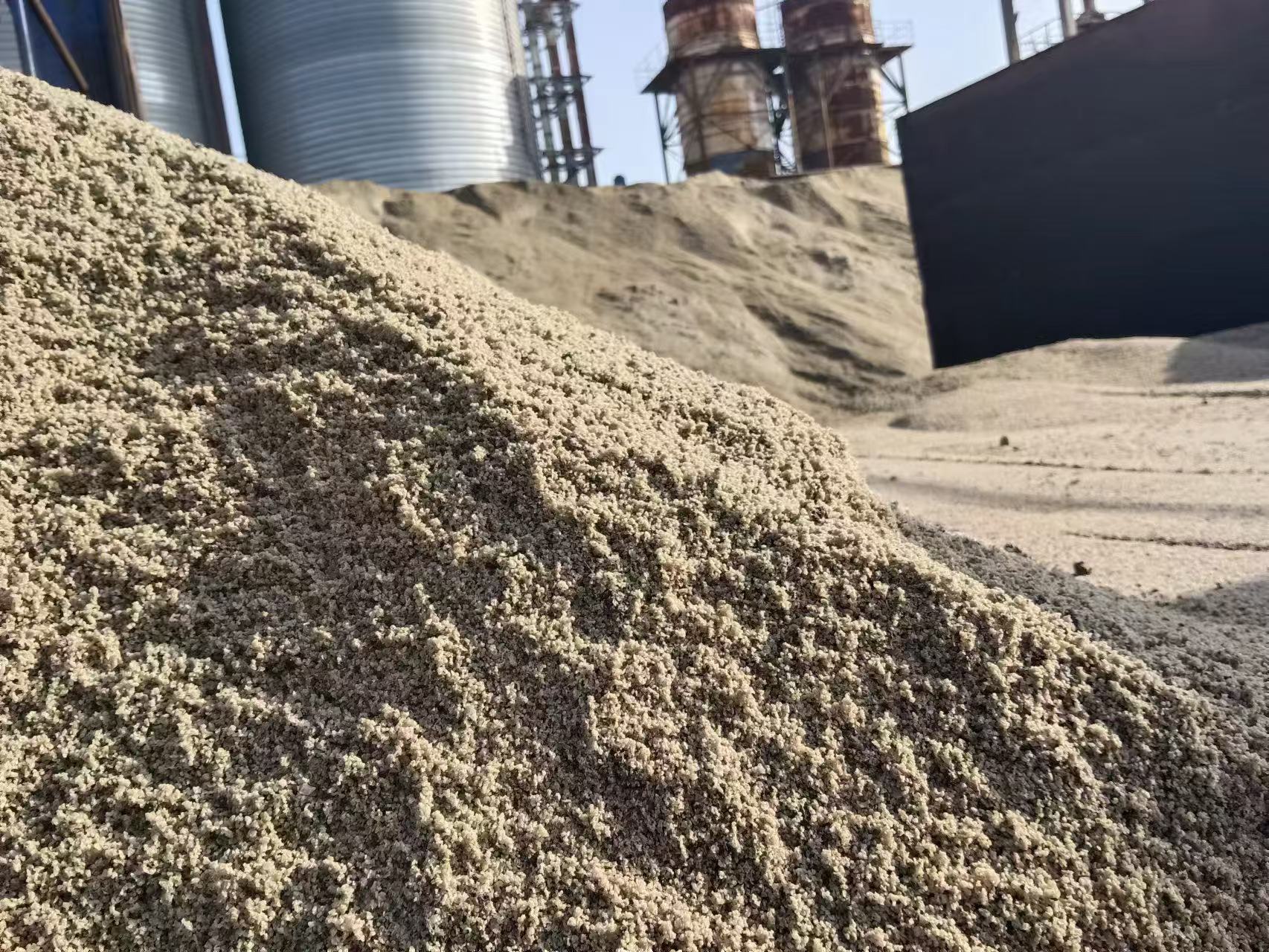
Recent industry reporting points to a structural shift in SCM supply diversification. Coal-fired power retirements can reduce future fly-ash availability, while changes in steelmaking may reshape blast-furnace slag output. At the same time, reported SCM volumes continue to grow, increasing the need for both established and emerging clinker substitutes.
1. Diversification is a resilience strategy
New materials such as calcined clays and other qualified industrial by-products can widen the available SCM portfolio. This does not remove the role of proven materials. It makes source selection more disciplined: each option must be assessed for local standards, concrete performance, compatibility, consistency and commercial availability.

2. GBFS and GGBFS remain practical portfolio components
GBFS remains relevant for buyers with grinding capacity, while GGBFS can serve buyers seeking a processed cementitious component. Procurement decisions should follow testing and specification review rather than assume that different SCMs are interchangeable.
3. Logistics determine usable supply
A technically suitable source only becomes dependable when quantity, laycan, vessel fit, loading method, storage and documentation are aligned. SENLAN operates a GGBFS plant and loading execution base in Tangshan Caofeidian, supporting coordinated preparation for bulk-vessel and jumbo-bag shipments.
Takeaway: SCM diversification is expanding the sourcing map, not eliminating the need for established slag-based materials. The strongest procurement strategy combines a broader material portfolio with qualification discipline and shipment-ready execution. Industry signals reviewed include Reuters reporting on construction circularity and recent Australian commentary on tightening traditional SCM availability.
近期行业报道显示,SCM 供应多元化正在发生结构性变化。燃煤电厂逐步退役可能减少未来粉煤灰供应,炼钢工艺变化也可能重塑高炉矿渣产出。与此同时,已披露的 SCM 销量仍在增长,市场对成熟及新型熟料替代材料的需求同步上升。
1. 多元化是一种供应韧性策略
煅烧黏土以及其他经认证的工业副产物可以拓宽 SCM 组合,但这并不会消除成熟材料的作用,反而要求货源选择更加严谨。每种材料都需要结合当地标准、混凝土性能、体系相容性、质量稳定性和商业可获得性进行评估。
2. GBFS 与 GGBFS 仍是实用的组合组成
对于具备粉磨能力的买方,GBFS 仍具有现实价值;需要加工后胶凝组分的买方则可评估 GGBFS。采购决策应以试验与规格审核为依据,不能假设不同 SCM 可以直接互换。
3. 物流决定货源能否真正使用
技术上适用的货源,只有在数量、laycan、船型匹配、装载方式、储存和单证得到协调后,才能成为稳定供应。SENLAN 在唐山曹妃甸拥有 GGBFS 工厂和装港执行基地,可协同准备散装船与吨袋发运。
结论:SCM 多元化正在扩展采购版图,而不是消除对成熟矿渣材料的需求。更稳健的采购策略,是将更广泛的材料组合、严格的认证纪律与可发运执行能力结合起来。本文参考的行业信号包括 Reuters 对建筑循环利用的报道,以及澳大利亚市场关于传统 SCM 供应趋紧的近期观察。