2026-08-10
SCM Volume Growth Raises the Bar for Qualified Supply
Double-digit growth in supplementary cementitious material volumes shows that lower-clinker strategies are becoming a practical sourcing and logistics challenge.
SCM 销量增长提高合格供应门槛
辅助性胶凝材料销量实现双位数增长,说明低熟料策略正转化为实际的采购与物流挑战。
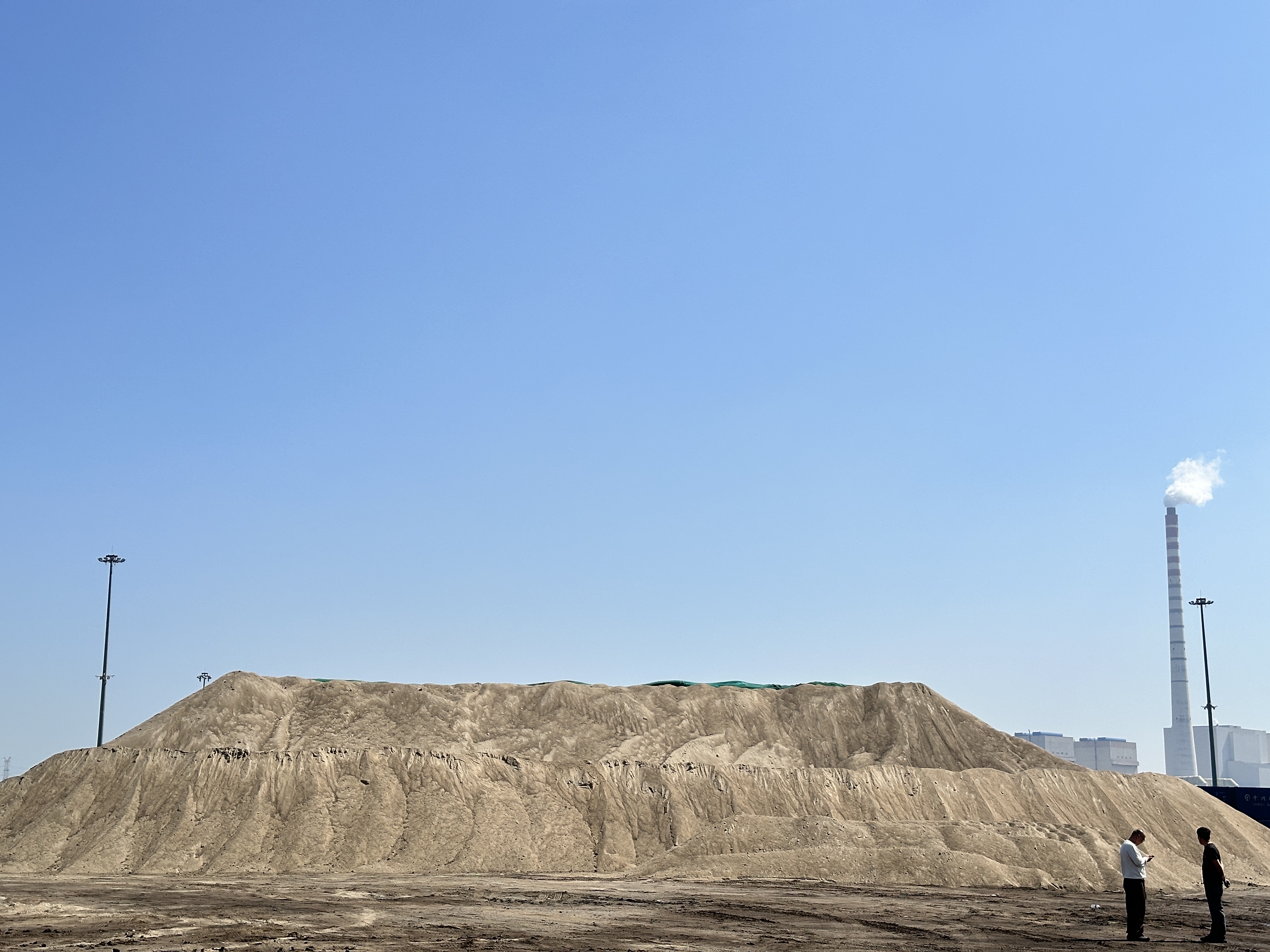
A major North American building-materials producer reported that its supplementary cementitious materials volumes grew at a double-digit rate in the second quarter of 2026. One company result does not define the whole market, but it reinforces a wider signal: SCM use is moving beyond pilot projects and into recurring commercial demand.
1. Volume growth changes the procurement question
When SCM demand expands, availability alone is not enough. Buyers need material that fits their cement or concrete system and remains consistent across cargoes. Chemistry, fineness, moisture, strength contribution and standards compliance all need to be evaluated before a source becomes part of a dependable blend strategy.
2. GBFS and GGBFS serve different operating models
For producers with grinding capability, GBFS can be sourced as feedstock. Buyers seeking a processed binder component may instead evaluate GGBFS supply. In both cases, technical approval should be connected to the required quantity, delivery form, storage plan and production schedule rather than treated as a separate exercise.
3. Shipment readiness protects continuity
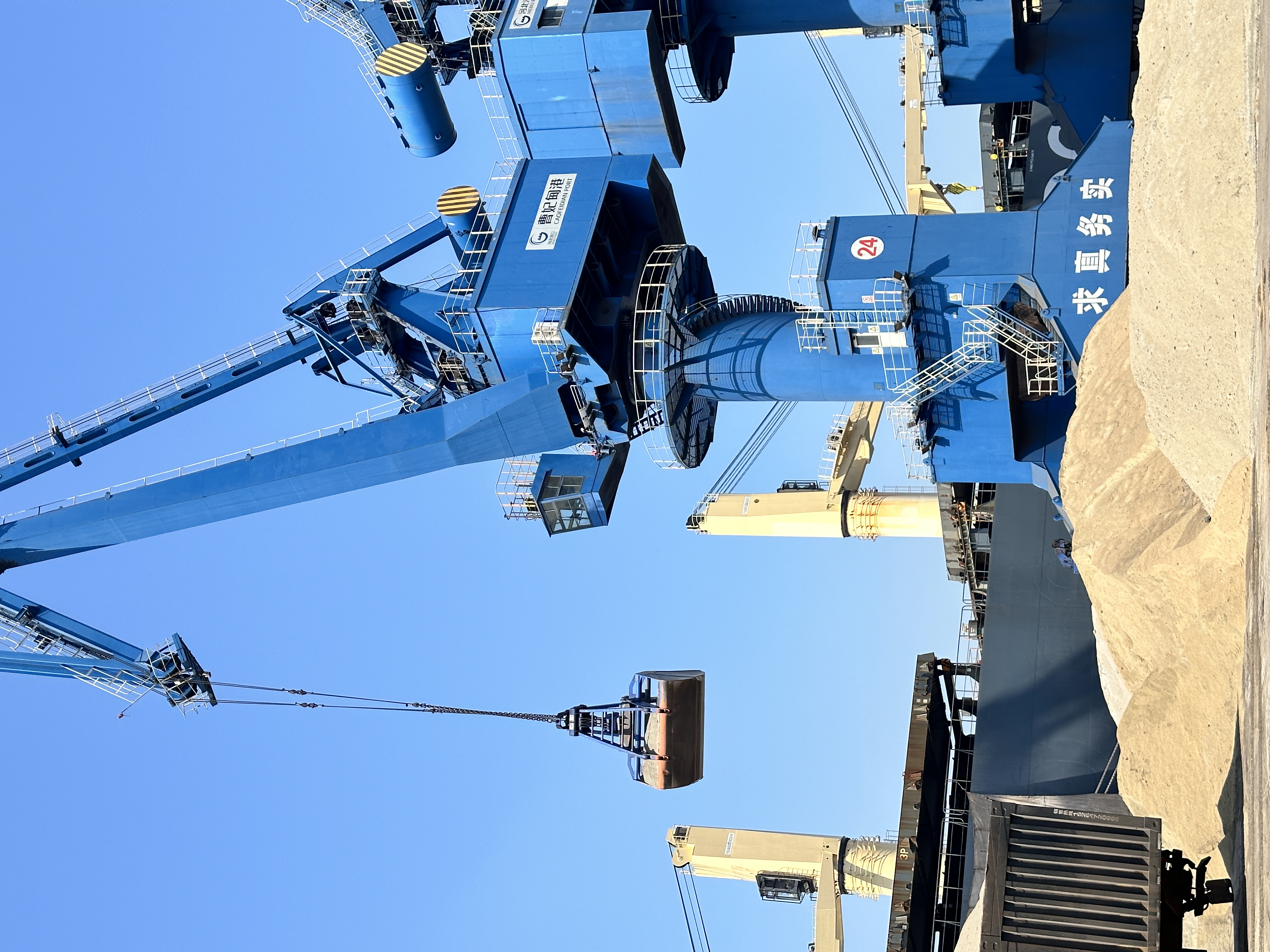
Higher consumption can expose weak links between an approved sample and commercial delivery. Procurement teams should align specification, quantity, laycan, vessel fit, loading method and discharge capability early. SENLAN's GGBFS plant and loading execution base in Tangshan Caofeidian support coordinated preparation for bulk-vessel or jumbo-bag shipments.
Takeaway: Double-digit SCM volume growth is a demand signal, but the commercial opportunity depends on execution. Qualified material, repeatable quality and shipment-ready logistics must work as one supply system. Industry signals reviewed include Amrize's second-quarter 2026 results released on August 6, 2026.
一家北美大型建材企业披露,其辅助性胶凝材料销量在 2026 年第二季度实现双位数增长。单家企业的业绩不能代表整个市场,但它强化了一个更广泛的信号:SCM 应用正从试点项目走向持续的商业需求。
1. 销量增长改变采购问题
当 SCM 需求扩大时,仅有货源并不足够。买方需要材料适配自身水泥或混凝土体系,并能在不同批次中保持稳定。货源进入长期配合比方案前,需要评估化学成分、细度、水分、强度贡献和标准符合性。
2. GBFS 与 GGBFS 对应不同运营模式
具备粉磨能力的生产商可将 GBFS 作为原料采购;需要加工后胶凝组分的买方,则可评估 GGBFS 供应。无论哪种模式,技术认证都应与数量、交付形式、储存方案和生产计划衔接,而不应被视为独立环节。
3. 发运准备保障供应连续性
消费量上升容易暴露“样品获批”与“商业交付”之间的薄弱环节。采购团队应尽早协调规格、数量、laycan、船型匹配、装载方式和卸货能力。SENLAN 的 GGBFS 工厂和装港执行基地位于唐山曹妃甸,可协同准备散装船或吨袋发运。
结论:SCM 销量双位数增长是明确的需求信号,但商业机会最终取决于执行。合格材料、稳定质量与可发运物流必须构成一套完整供应体系。本文参考的行业信号包括 Amrize 于 2026 年 8 月 6 日发布的第二季度业绩。