2026-08-08
Split Dry Bulk Market Sharpens Cargo Planning
Diverging bulker segments make vessel fit, timing and shipment readiness more important for cementitious cargoes.
干散货市场分化,让货盘规划更需精准
不同船型市场走势分化,使胶凝材料货盘更需要关注船型匹配、时点和发运准备。
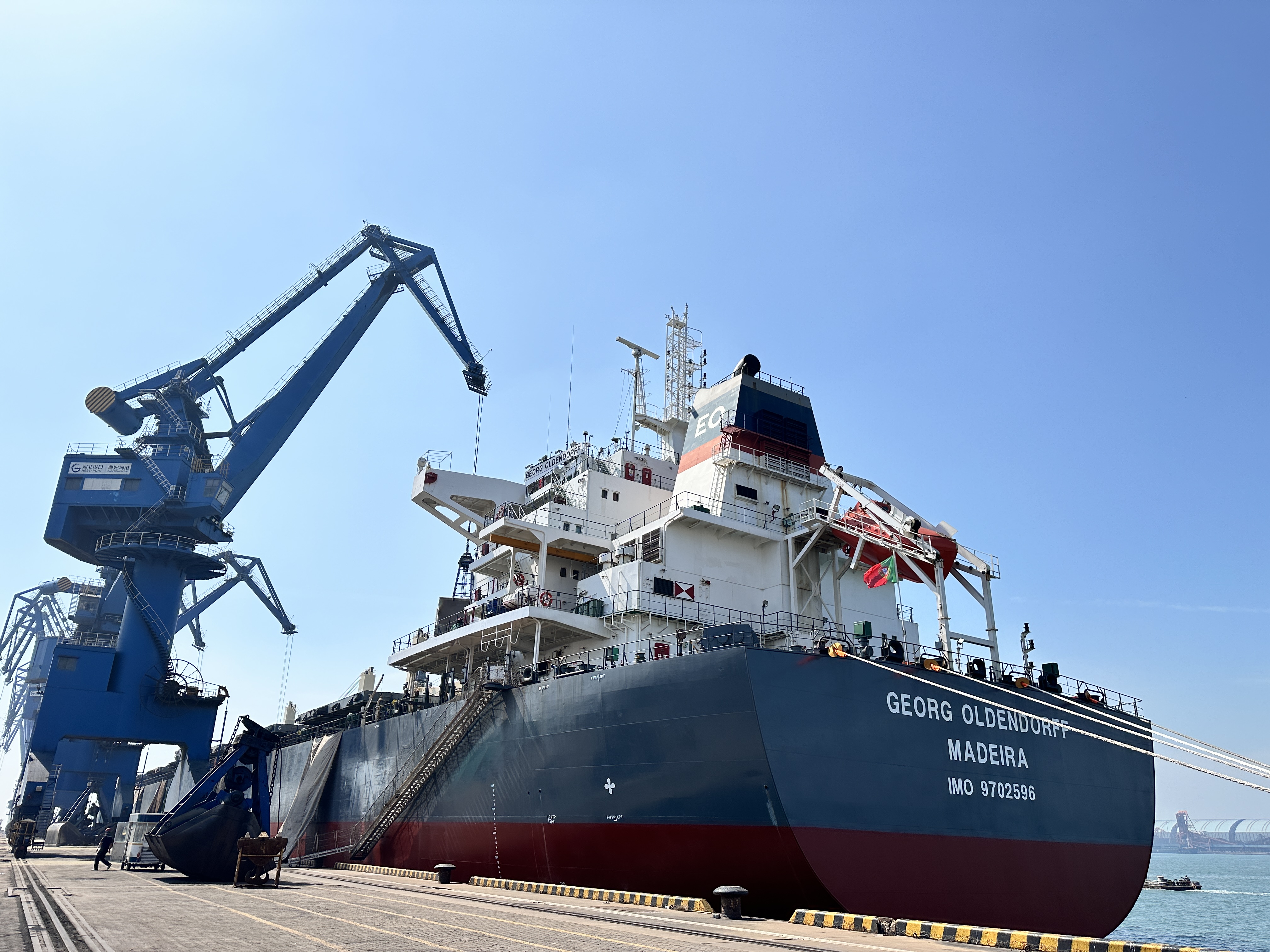
Recent dry bulk market reporting shows a divided picture: Capesize and Panamax sentiment has found support, while forward vessel supply continues to weigh on several Supramax and Handysize routes. For cement clinker shipping, GBFS and GGBFS cargoes, the relevant freight market depends on parcel size, route, port restrictions and timing.
1. Segment strength does not move evenly
Large-bulker momentum is often driven by iron ore and coal flows and does not automatically translate into the same conditions for geared vessels. A smaller cementitious cargo should not treat a broad index or Capesize rally as a complete freight signal. The useful benchmark is the vessel class that can serve both ports.
2. Softer segments create a planning window
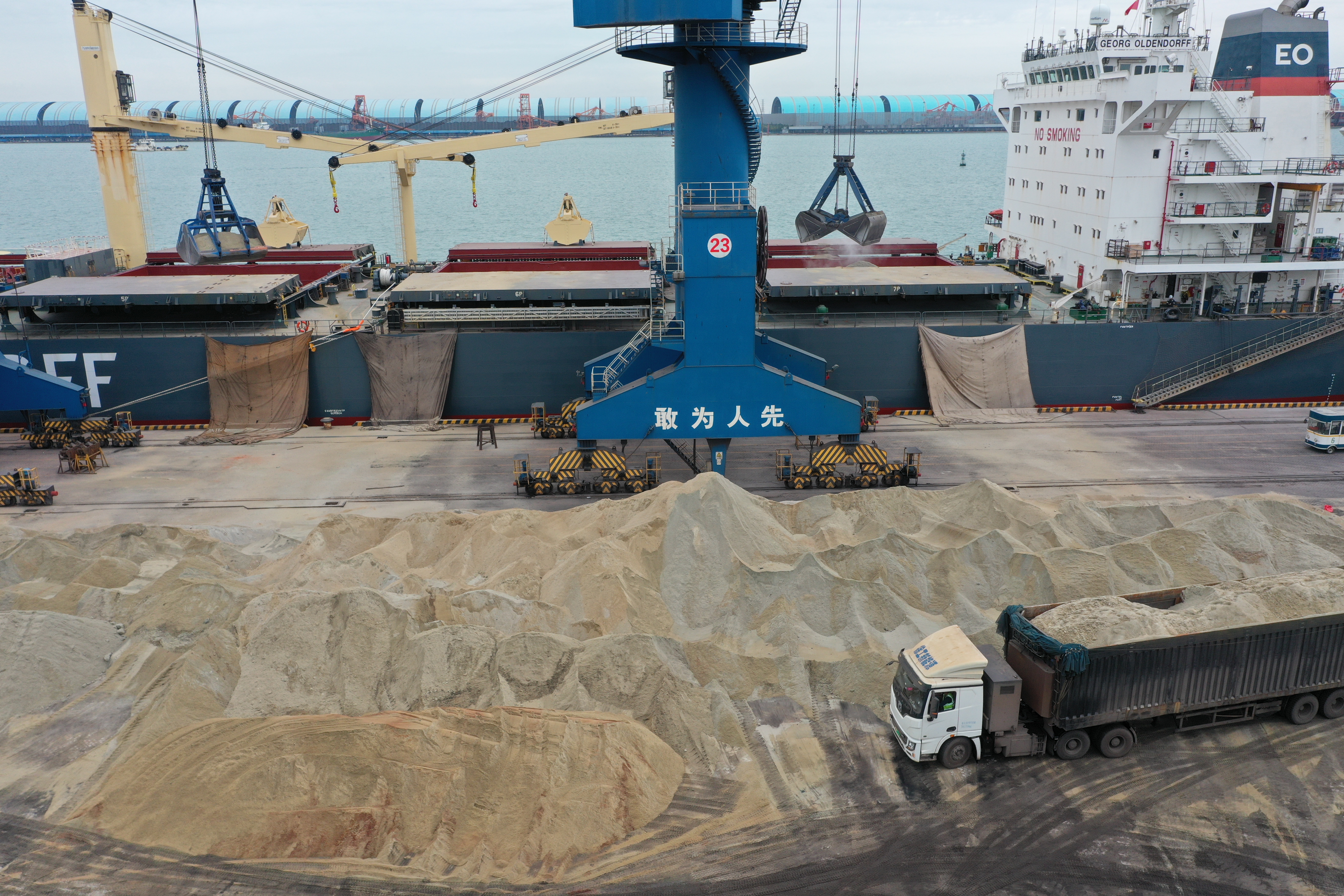
More available Supramax or Handysize tonnage can improve chartering options, but the advantage may disappear if cargo readiness is uncertain. Buyers should confirm specification, quantity, laycan, loading method and destination constraints before approaching the freight market.
3. Port readiness protects the opportunity
For bulk GBFS and GGBFS supply, stockpile readiness, hold suitability, loading performance and documentation determine whether a favorable vessel can be used. SENLAN's GGBFS supply base and loading execution are located in Tangshan Caofeidian, allowing material and port planning to be reviewed together.
Takeaway: A split dry bulk market rewards precise cargo planning. Match the real parcel to the relevant vessel segment, then align laycan and port execution early enough to turn market availability into a workable shipment. Signals reviewed: Baltic market commentary and dry bulk analysis published from late July to early August 2026.
近期干散货市场报道呈现分化格局:Capesize 与 Panamax 市场情绪获得支撑,而远期船舶供给仍压制部分 Supramax 和 Handysize 航线。对水泥熟料海运、GBFS 与 GGBFS 货盘而言,真正相关的运费市场取决于货量、航线、港口限制与时间安排。
1. 不同船型市场并不同步
大型散货船的动能往往来自铁矿石和煤炭流向,并不会自动转化为灵便型船的同样条件。较小批量胶凝材料货盘不应把总体指数或 Capesize 上涨当作完整信号;真正有用的基准,是能够实际服务装卸两港的船型。
2. 偏软市场提供规划窗口
Supramax 或 Handysize 可用运力增加,可能改善租船选择;但如果货物准备不确定,这一优势也会消失。进入运费市场前,买方应确认规格、数量、laycan、装载方式和目的港限制。
3. 港口准备度决定能否把握机会
对于散装 GBFS 和 GGBFS 供应,库存准备、货舱适用性、装载效率与单证都会影响有利船期能否真正使用。SENLAN 的 GGBFS 供应基地与装港执行位于唐山曹妃甸,便于同步规划材料与港口。
结论:分化的干散货市场更奖励精准货盘规划。应先把真实货量匹配到相关船型市场,再尽早协调 laycan 与港口执行,把可用运力转化为可行发运。行业信号来源:2026 年 7 月下旬至 8 月上旬的波罗的海市场评论与干散货分析。