Cement Tariffs Reshape Cross-Border Trade Planning
New trade barriers show why cement and clinker buyers must evaluate landed cost, qualified origins and shipment execution together.
水泥关税正在重塑跨境贸易规划
新的贸易壁垒表明,水泥与熟料买方必须统筹评估到岸成本、合格货源与发运执行。
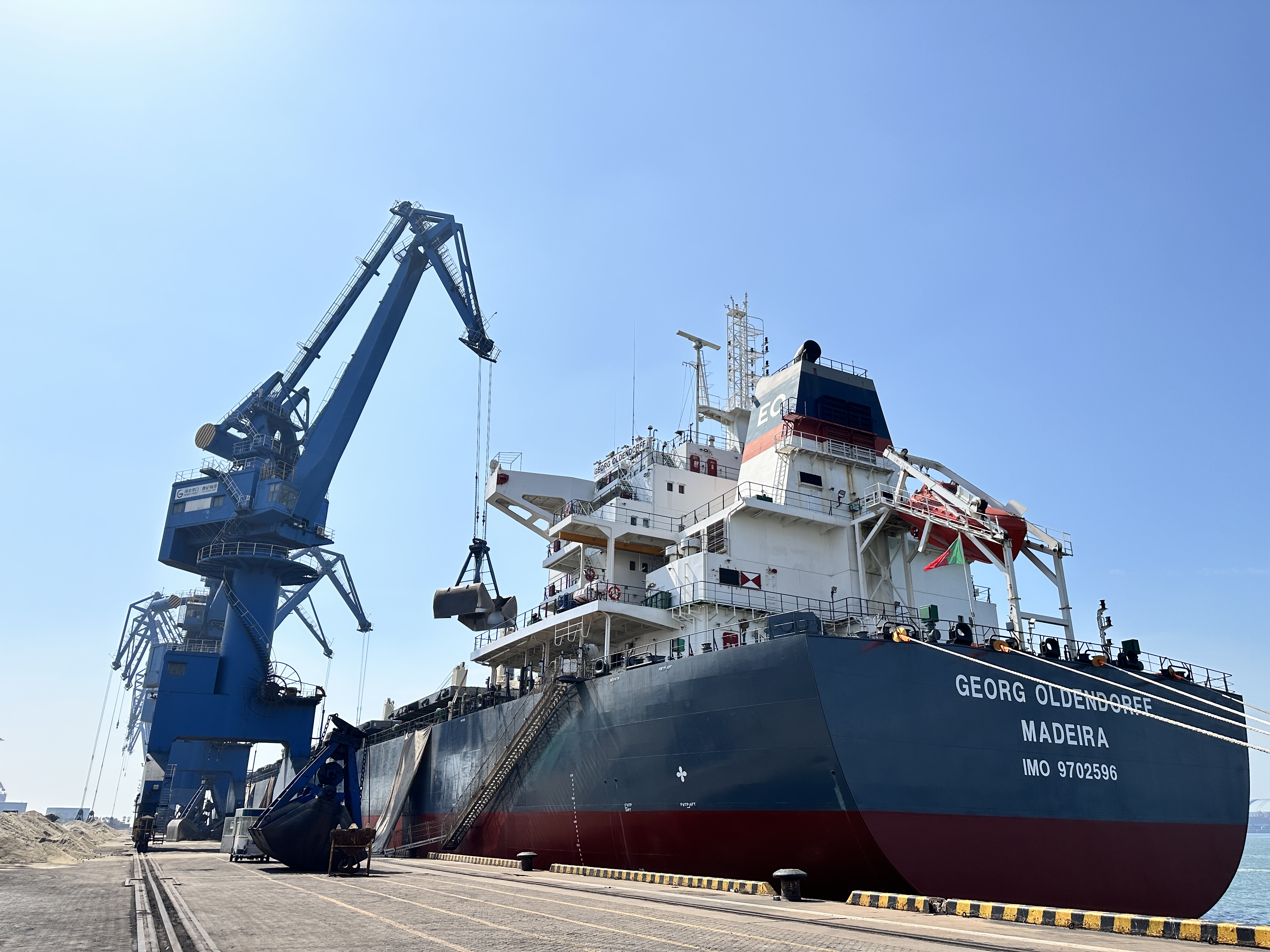
Late-July industry reporting highlighted new or extended tariffs and quotas affecting cement movements in several markets. For cement clinker trade, the signal is broader than any single policy: border measures can quickly change landed cost, acceptable origin and cargo timing, even when the underlying material market is stable.
1. Landed cost needs policy scenarios
A workable comparison now needs more than FOB material price and ocean freight. Buyers should check tariff classification, quota availability, customs treatment and timing at the destination before confirming a cargo. A small difference in arrival date can matter when quotas reset or measures change.
2. Origin qualification preserves flexibility
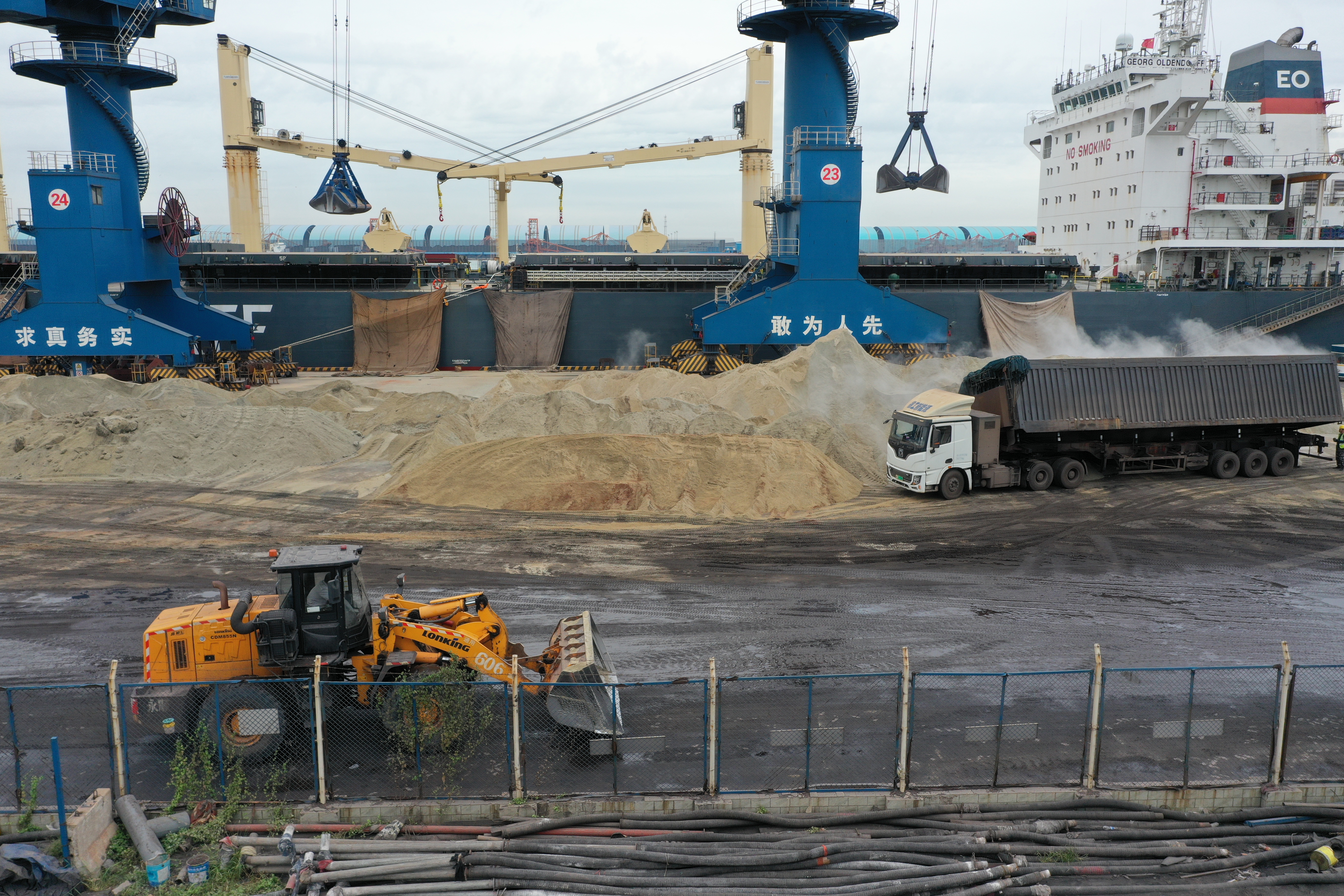
Alternative origins are useful only when specification, inspection, documentation and import eligibility are confirmed. For clinker, GBFS and GGBFS, technical qualification should run alongside the customs and logistics review so an apparent alternative can become a realistic shipment option.
3. Execution determines whether the option is usable
Policy risk makes timing discipline more valuable. Quantity, discharge port, laycan, loading method and vessel fit should be aligned before the procurement window narrows. SENLAN supports cementitious-material supply planning from China, with loading execution based in Caofeidian.
Takeaway: tariffs do not stop cement trade, but they change which routes and origins remain competitive. Buyers who model landed cost, qualify materials and prepare shipments early are better placed to respond. Industry signal source: Global Cement analysis published 30 July 2026.
7 月下旬的行业报道显示,多个市场针对水泥流通出台或延长了关税与配额措施。对于水泥熟料贸易而言,这一信号超越了任何单一政策:即使材料市场本身稳定,边境措施也可能迅速改变到岸成本、可接受原产地与货盘时点。
1. 到岸成本需要加入政策情景
有效比较已经不能只看 FOB 材料价格与海运费。买方在确认货盘前,应核对目的地的税则归类、配额余额、海关处理与到港时间。若配额重置或政策调整,到港日期的细微差别也可能影响成本。
2. 货源认证为采购保留灵活性
替代货源只有在规格、检验、单证与进口资格得到确认后才真正有用。针对熟料、GBFS 与 GGBFS,技术认证应与海关及物流审查同步进行,让表面上的替代方案转化为现实的发运选择。
3. 执行决定方案能否落地
政策风险让时点纪律更加重要。数量、卸港、laycan、装载方式与船型适配,应在采购窗口收窄前完成协调。SENLAN 支持来自中国的胶凝材料供应规划,并以曹妃甸为装货执行基地。
结论:关税不会终止水泥贸易,但会改变哪些航线与货源仍具竞争力。提前测算到岸成本、认证材料并准备发运的买方,更有能力应对变化。行业信号来源:Global Cement 于 2026 年 7 月 30 日发布的分析。
Planning a cementitious-material cargo?
Share specification, quantity, destination port, laycan and loading method so supply and shipment readiness can be reviewed together.
Discuss supply