2026-08-17
Firmer Dry Bulk Sentiment Rewards Shipment-Ready Cargoes
Recent dry bulk signals point to stronger freight sentiment. For cement, clinker, GBFS and GGBFS trade, the practical response is earlier alignment of cargo, vessel and port.
干散货市场情绪走强,更考验货盘发运准备
近期干散货信号显示运费市场情绪增强。对水泥、熟料、GBFS 与 GGBFS 贸易而言,更实际的应对是提前协调货盘、船舶与港口。

Recent shipping commentary reported that the Baltic Dry Index rose about 9.2% in July, alongside improving sentiment toward parts of the dry bulk sector. A freight index is not a quotation for a specific shipment, but it is a useful warning: when market confidence firms, suitable vessel availability and fixture timing can change quickly.
1. The relevant market is the vessel that fits the cargo
Headline indices combine several vessel segments and routes. A cementitious cargo should therefore be planned around its actual parcel size, draft limits, loading rate, destination restrictions and handling method. This narrows the vessel universe and gives buyers a more realistic view of freight exposure than a broad index alone.
2. Clear laycan and port data protect optionality
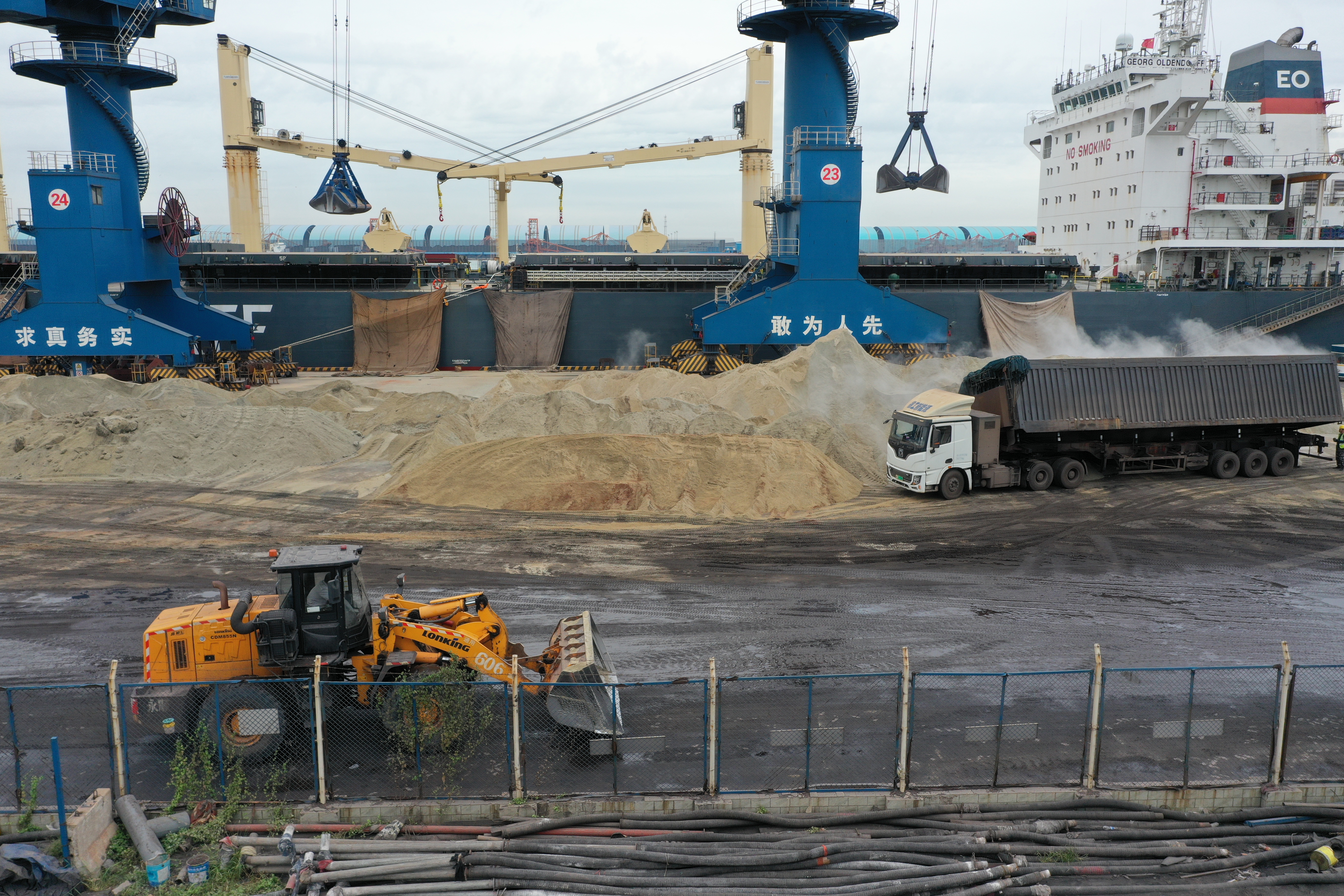
In a firmer market, delays in confirming quantity, specification, loading method or laycan can mean losing a suitable vessel. Early port checks—including permissible draft, loading equipment, expected rate and documentation sequence—help commercial teams compare offers on the same operational basis.
3. Freight discipline starts before the quote
Buyers and suppliers can reduce avoidable uncertainty by aligning stock availability, inspection, loading sequence and document preparation before entering the freight market. That preparation does not remove volatility, but it shortens decision time and supports more reliable landed-cost comparisons.

Takeaway: Firmer dry bulk sentiment raises the value of preparation. Shipment-ready cargoes—with defined specifications, quantity, loading method, destination and laycan—are better placed to respond when the right vessel becomes available. Industry signal: dry bulk market commentary published on 13 August 2026.
近期航运市场评论显示,波罗的海干散货指数在 7 月上涨约 9.2%,干散货板块部分领域的市场情绪也有所改善。指数并不是具体货盘的运费报价,但它能提供预警:当市场信心走强时,合适船舶的可用性与成交窗口可能迅速变化。
1. 真正相关的是与货盘匹配的船型市场
综合指数覆盖多种船型与航线,因此胶凝材料货盘应围绕实际货量、吃水限制、装载效率、目的港限制与装卸方式进行规划。这样才能缩小适用船舶范围,比单独参考综合指数更准确地判断运费风险。
2. 明确 laycan 与港口数据,才能保留选择空间
在市场走强时,如果数量、规格、装载方式或 laycan 确认较慢,就可能错过合适船舶。提前核对港口允许吃水、装载设备、预计效率与单证顺序,有助于商务团队在统一的操作基础上比较方案。
3. 运费纪律始于询价之前
买卖双方在进入运费市场前,对齐库存可用性、检验、装载顺序与单证准备,可以减少可避免的不确定性。这些准备无法消除市场波动,但能缩短决策时间,并支持更可靠的到岸成本比较。
结论:干散货市场情绪走强,提高了提前准备的价值。规格、数量、装载方式、目的地与 laycan 明确的可发运货盘,在合适船舶出现时更有条件迅速行动。行业信号来源:2026 年 8 月 13 日发布的干散货市场评论。
Planning a bulk-material shipment?
Share specification, quantity, destination, loading method and laycan.
正在规划散装建材发运?
请提供规格、数量、目的地、装载方式和 laycan。