2026-08-16
Double-Digit SCM Growth Raises the Bar for Qualified Supply
Recent building-material results show supplementary cementitious material volumes growing at a double-digit rate, reinforcing the need for verified quality, reliable availability and shipment-ready logistics.
SCM 销量双位数增长,提高合格供应门槛
近期建材企业业绩显示辅助胶凝材料销量实现双位数增长,进一步凸显质量验证、稳定供应与可发运物流的重要性。
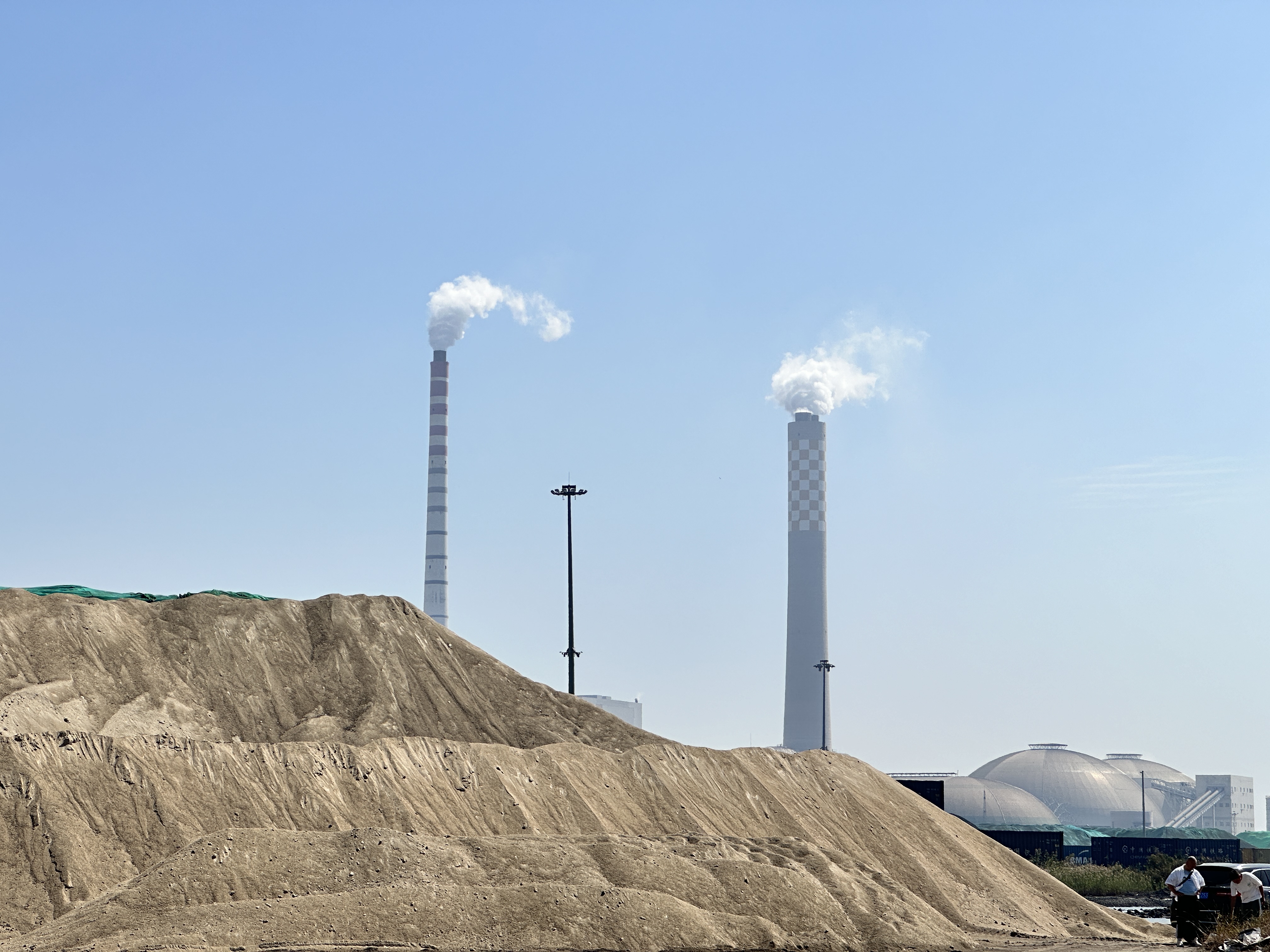
Amrize reported that its supplementary cementitious materials volumes increased at a double-digit rate in the second quarter of 2026, while cement volumes rose 5%. The company also noted higher freight, diesel and raw-material costs. The signal is useful beyond one producer: SCM demand is moving deeper into mainstream building-material procurement, but growth must be supported by qualified material and repeatable delivery.
1. Volume growth turns qualification into a supply discipline
As more cement and concrete producers use SCMs, buyers need more than an available cargo. Chemical consistency, fineness or granulation, applicable standards, sampling and performance verification must be aligned before commercial scale-up. For slag-based materials, repeatable quality helps users protect mixture performance while reducing clinker intensity.
2. Logistics costs remain part of material value
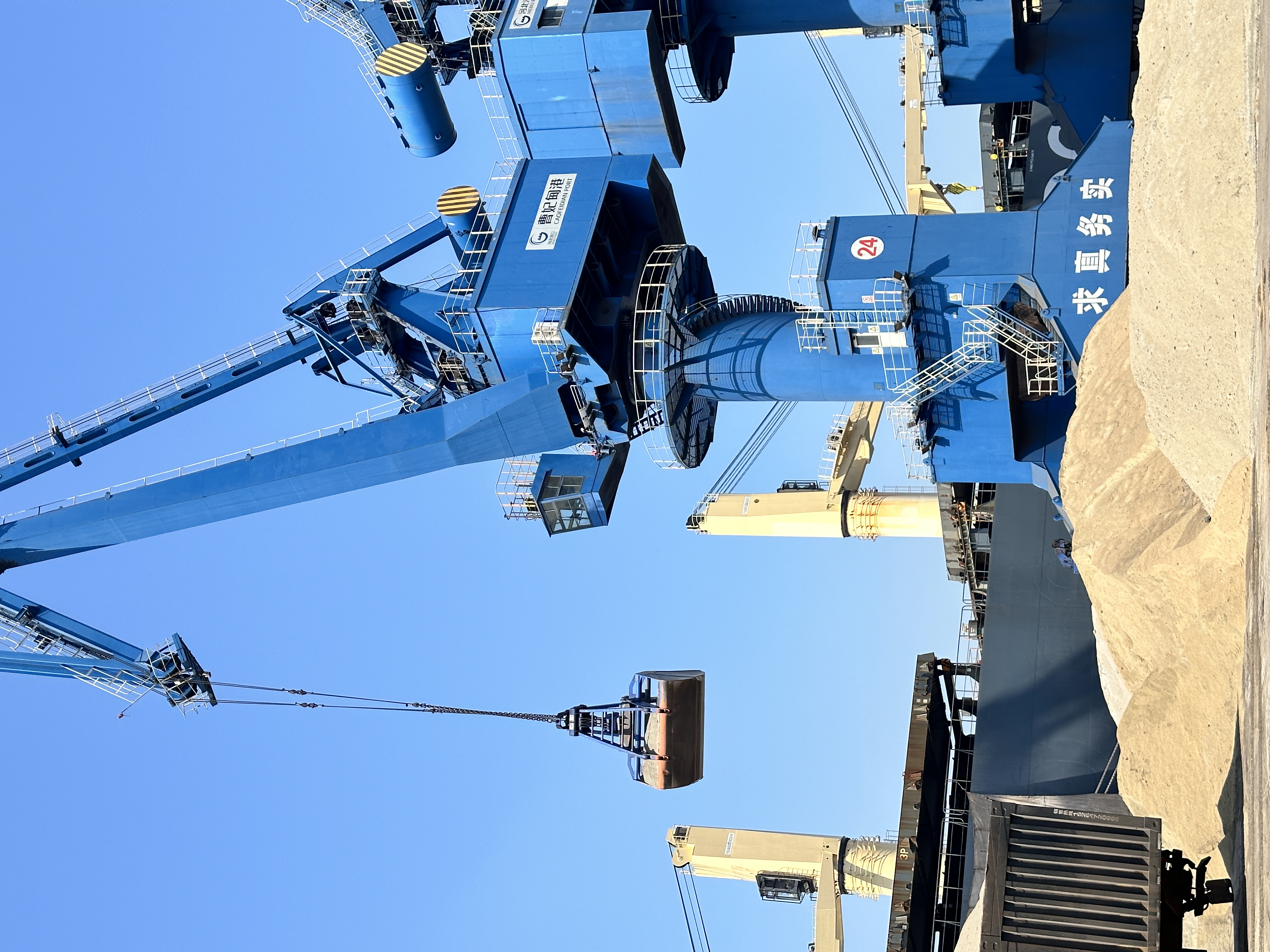
Higher freight and diesel costs can narrow the benefit of an otherwise attractive SCM offer. Buyers should compare realistic delivered-cost scenarios, including parcel size, vessel fit, handling, storage and possible waiting time. Suppliers need the same visibility before confirming quantity and laycan.
3. Repeatable execution supports wider adoption
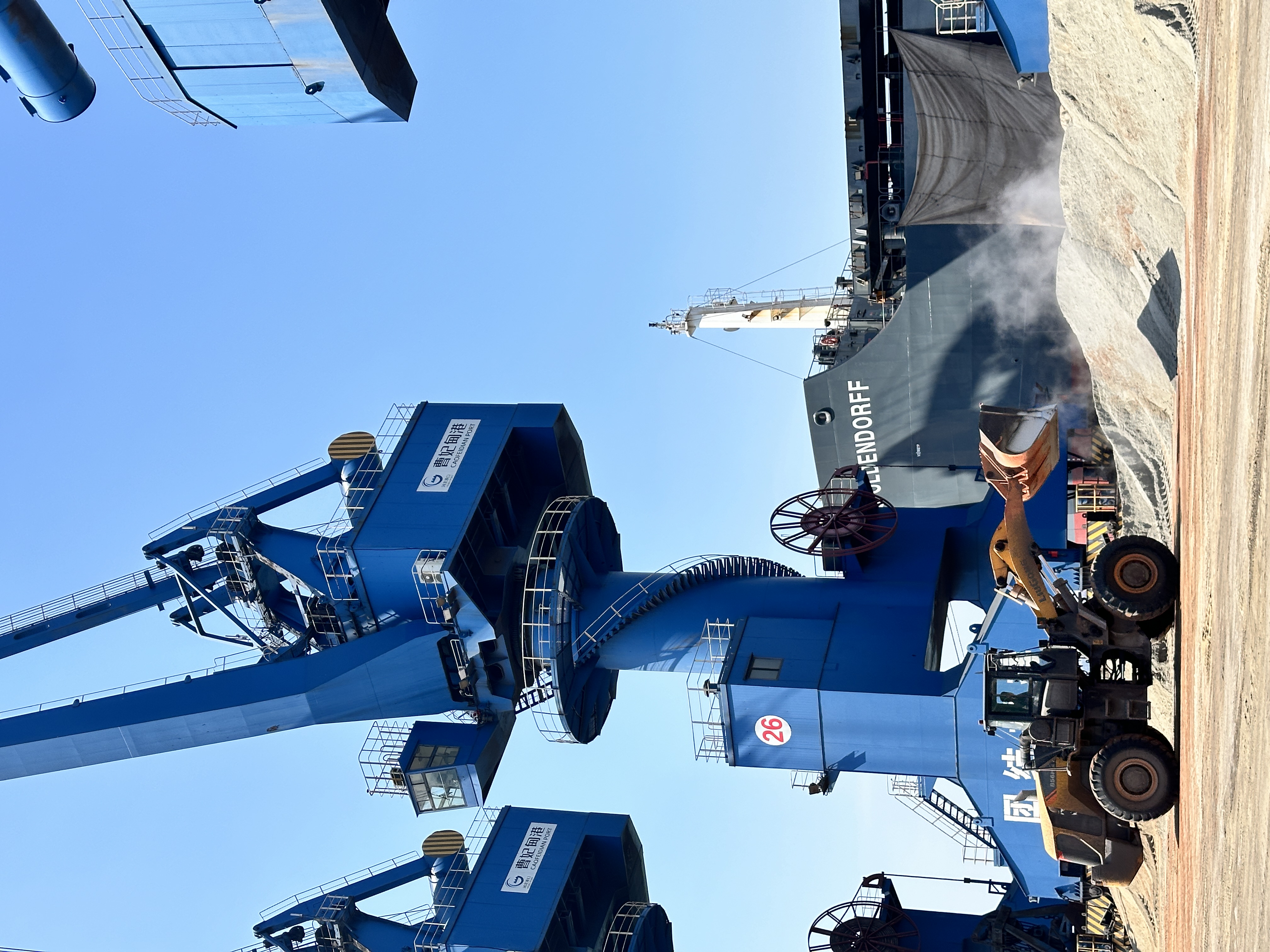
SCM growth becomes durable when technical approval and physical supply advance together. Confirmed stock, clear inspection steps, coordinated terminal windows and complete documentation reduce the risk of interruption. This is especially important for imported GBFS and GGBFS programs serving grinding plants, cement producers and ready-mix users.
Takeaway: Double-digit SCM volume growth is a strong demand signal, but successful scale-up depends on verified material, transparent delivered costs and repeatable logistics. Industry signal: Amrize second-quarter 2026 results published on 6 August 2026.
Amrize 公布,2026 年第二季度辅助胶凝材料销量实现双位数增长,水泥销量增长 5%。公司同时提到运费、柴油和原材料成本上升。这个信号的意义不限于单一企业:SCM 正更深入地进入主流建材采购,但需求增长必须由合格材料和可重复交付能力支撑。
1. 销量增长让质量认证成为供应纪律
随着更多水泥与混凝土企业使用 SCM,买方需要的不只是“有货”。化学成分稳定性、细度或粒化状态、适用标准、取样与性能验证,都应在商业化放量前完成对齐。对于矿渣类材料,稳定质量有助于用户在降低熟料比例的同时保护配合比性能。
2. 物流成本仍是材料价值的一部分
运费和柴油成本上升,可能压缩原本具有吸引力的 SCM 报价优势。买方应比较现实的到岸成本情景,包括货量、船型适配、装卸、仓储与潜在等待时间;供应商在确认数量和 laycan 前也需要同样的成本透明度。
3. 可重复执行支持更广泛应用
只有技术批准与实物供应同步推进,SCM 增长才能持续。确认库存、明确检验步骤、协调码头窗口并备齐单证,可以降低供应中断风险。对于服务粉磨站、水泥企业和商混用户的进口 GBFS 与 GGBFS 计划,这一点尤其重要。
结论:SCM 销量双位数增长是强劲需求信号,但成功放量仍取决于经验证的材料、透明的到岸成本与可重复物流。行业信号来源:Amrize 于 2026 年 8 月 6 日发布的第二季度业绩。
Planning a GBFS or GGBFS shipment?
Share specification, quantity, destination, loading method and laycan.
正在规划 GBFS 或 GGBFS 发运?
请提供规格、数量、目的地、装载方式和 laycan。