2026-08-12
Two-Speed Dry Bulk Market Rewards Precise Cementitious Cargo Planning
Capesize strength and softer geared-vessel sentiment show why the freight headline alone is not enough for cement, clinker, GBFS and GGBFS cargoes.
干散货市场呈现双速分化,胶凝材料货盘更需精准规划
海岬型船走强而有吊杆船舶市场偏软,说明水泥、熟料、GBFS 与 GGBFS 货盘不能只看整体运价标题。

Early-August dry bulk reports point to a divided market. Capesize activity has strengthened, while Supramax and Handysize conditions remain weak to flat in several basins. For cementitious cargoes, this split matters because the vessel segment actually serving a parcel can move differently from the broad market narrative.
1. Vessel segment matters more than the headline
Cement, clinker, GBFS and GGBFS shipments vary widely in parcel size and port requirements. A stronger large-vessel market does not automatically mean the same rate direction for geared vessels. Buyers and sellers should align cargo quantity, route, loading method and vessel fit before treating a market index as a usable freight indication.
2. Softer segments create a planning window, not certainty
Weak enquiry or available tonnage can improve negotiating room, but that window can close when competing cargoes emerge. A workable program still needs an agreed specification, firm quantity, realistic laycan and confirmed loading capability. Early cargo readiness helps turn a temporary freight opportunity into an executable shipment.
3. Port discipline protects the freight advantage
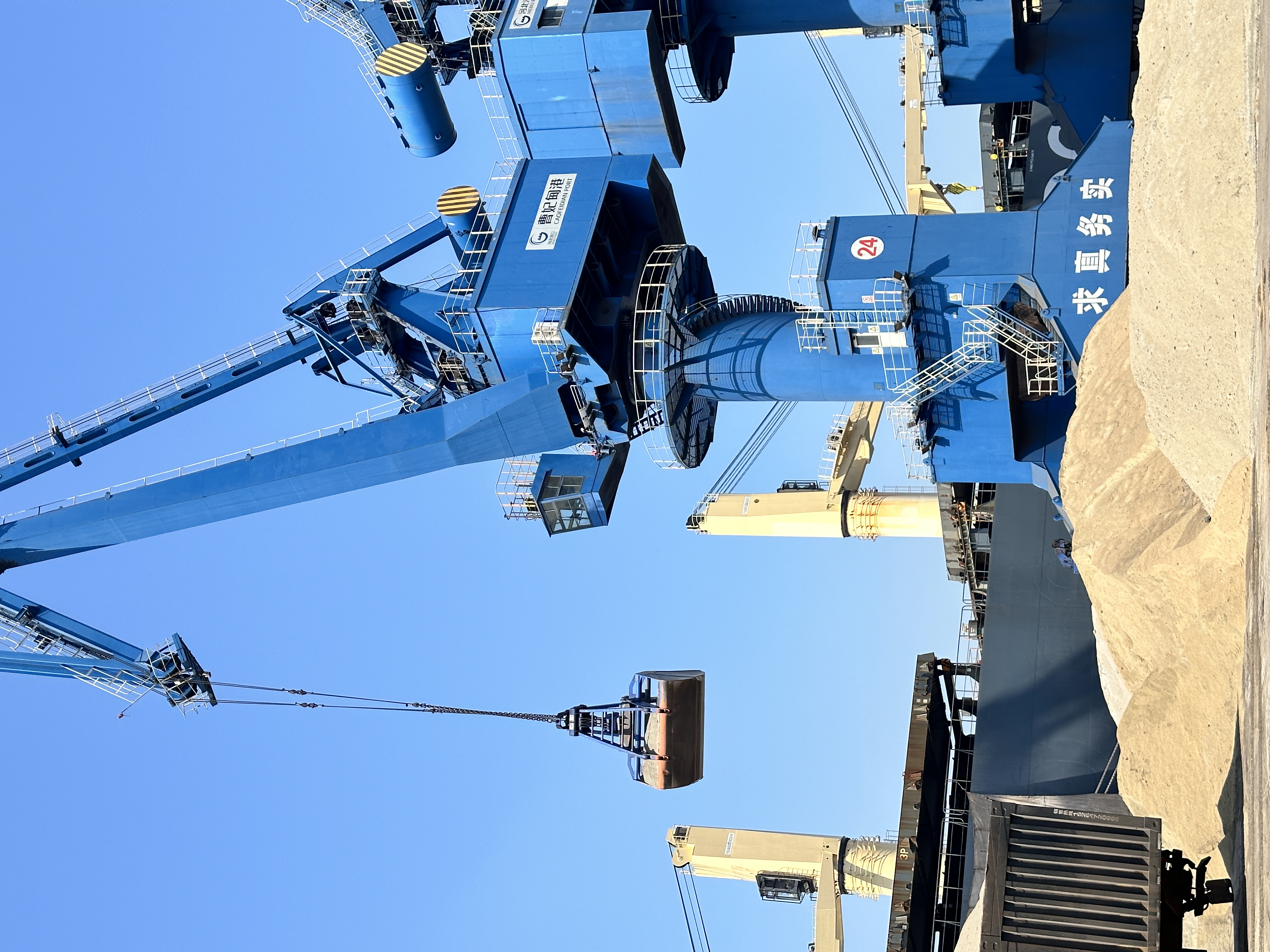
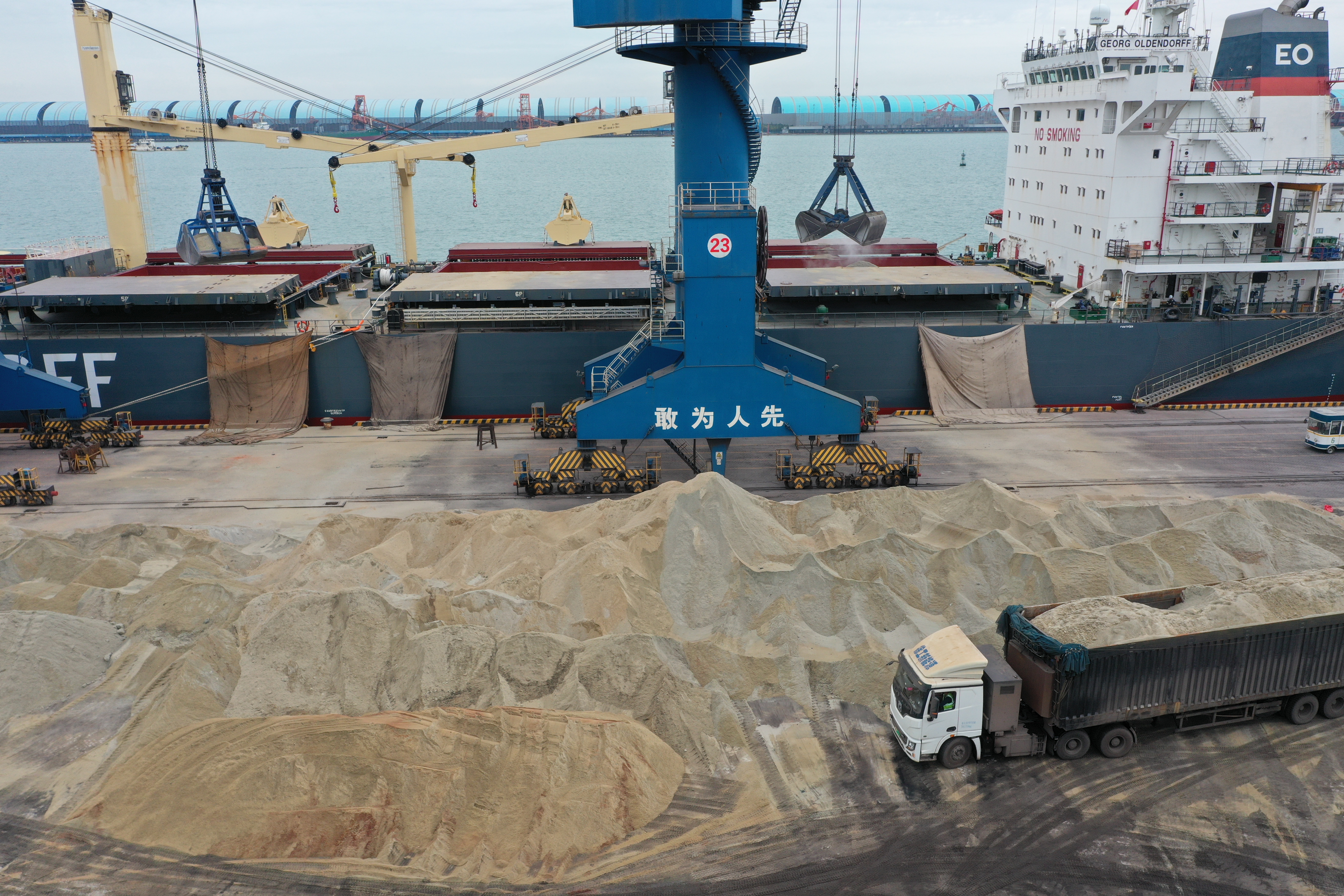
A favorable fixture can lose value through berth delay, incomplete documents or a mismatch between vessel gear and shore equipment. Stock readiness, representative inspection, loading sequence and document preparation should be coordinated with chartering rather than handled afterward.
Takeaway: August's two-speed dry bulk signal favors precise, segment-specific planning. For cementitious materials, the practical advantage comes from matching cargo size, vessel fit, laycan and port execution—not from relying on a single market headline. Industry signals: Hellenic Shipping News, 10 August 2026; Kpler dry bulk market commentary, 21 July 2026.
8 月上旬的干散货报道显示,市场正在分化:海岬型船活动转强,而多个区域的超灵便型船和灵便型船行情仍偏弱或持平。对胶凝材料货盘而言,这种分化十分关键,因为真正承运具体货量的船型,其走势可能与整体市场叙事不同。
1. 船型细分比市场标题更重要
水泥、熟料、GBFS 与 GGBFS 的单票货量和港口条件差异很大。大型船市场走强,并不意味着有吊杆船舶运价一定同步。买卖双方应先确认货量、航线、装载方式与船型匹配,再把市场指数转化为可执行的运费判断。
2. 偏软船型带来规划窗口,而非确定性
询盘偏弱或可用运力较多时,谈判空间可能改善,但竞争货盘出现后窗口也可能迅速关闭。可执行的发运计划仍需明确规格、确定数量、合理 laycan 与经确认的装载能力。提前做好货盘准备,才能把短期运费机会转化为实际船期。
3. 港口纪律保护运费优势
即使订到有利运价,泊位延误、单证不完整,或船舶设备与岸上条件不匹配,都可能吞噬收益。备货、代表性检验、装载顺序与单证准备应与租船同步协调,而不是事后补做。
结论:8 月干散货市场的“双速”信号,更有利于按船型进行精准规划。对胶凝材料而言,真正的优势来自货量、船型、laycan 与港口执行的匹配,而不是依赖单一市场标题。行业信号来源:Hellenic Shipping News,2026 年 8 月 10 日;Kpler 干散货市场评论,2026 年 7 月 21 日。
Planning a GBFS or GGBFS shipment?
Share specification, quantity, destination, loading method and laycan.
正在规划 GBFS 或 GGBFS 发运?
请提供规格、数量、目的地、装载方式和 laycan。