2026-08-02
Dry Bulk Strength Raises the Value of Early Cargo Planning
Recent market signals suggest that longer voyages and tighter effective vessel supply are supporting freight. For cementitious cargoes, readiness is the practical response.
干散货市场走强,提前规划货盘更具价值
近期市场信号显示,航程延长与有效运力收紧正在支撑运费。对胶凝材料货盘而言,做好发运准备是更现实的应对方式。

Late-July and early-August shipping reports pointed to firmer dry bulk conditions, including stronger charter fixtures and a supportive near-term supply-demand balance. Industry analysis also cautioned that part of this strength reflects longer routes and disrupted vessel deployment rather than a simple rise in underlying commodity volumes. That distinction matters for cement, clinker, GBFS and GGBFS cargoes because effective ship availability can tighten quickly even when product demand looks stable.
1. Effective capacity matters more than fleet totals
A vessel completing a longer voyage remains in the fleet, but it is unavailable for the next cargo for more days. Rerouting around constrained corridors, port congestion and weather delays can therefore reduce practical capacity. Buyers should watch the specific vessel segment and route needed for their shipment instead of treating broad dry bulk indices as a complete freight quote.
2. Early definition improves freight decisions
Before approaching the freight market, buyers benefit from confirming quantity, cargo specification, loading method, destination restrictions and expected laycan. These details determine suitable vessel size, handling requirements and voyage assumptions. Clear cargo parameters also make freight comparisons more meaningful and reduce the risk of losing a workable fixture while operational questions remain open.
3. Shipment readiness protects optionality
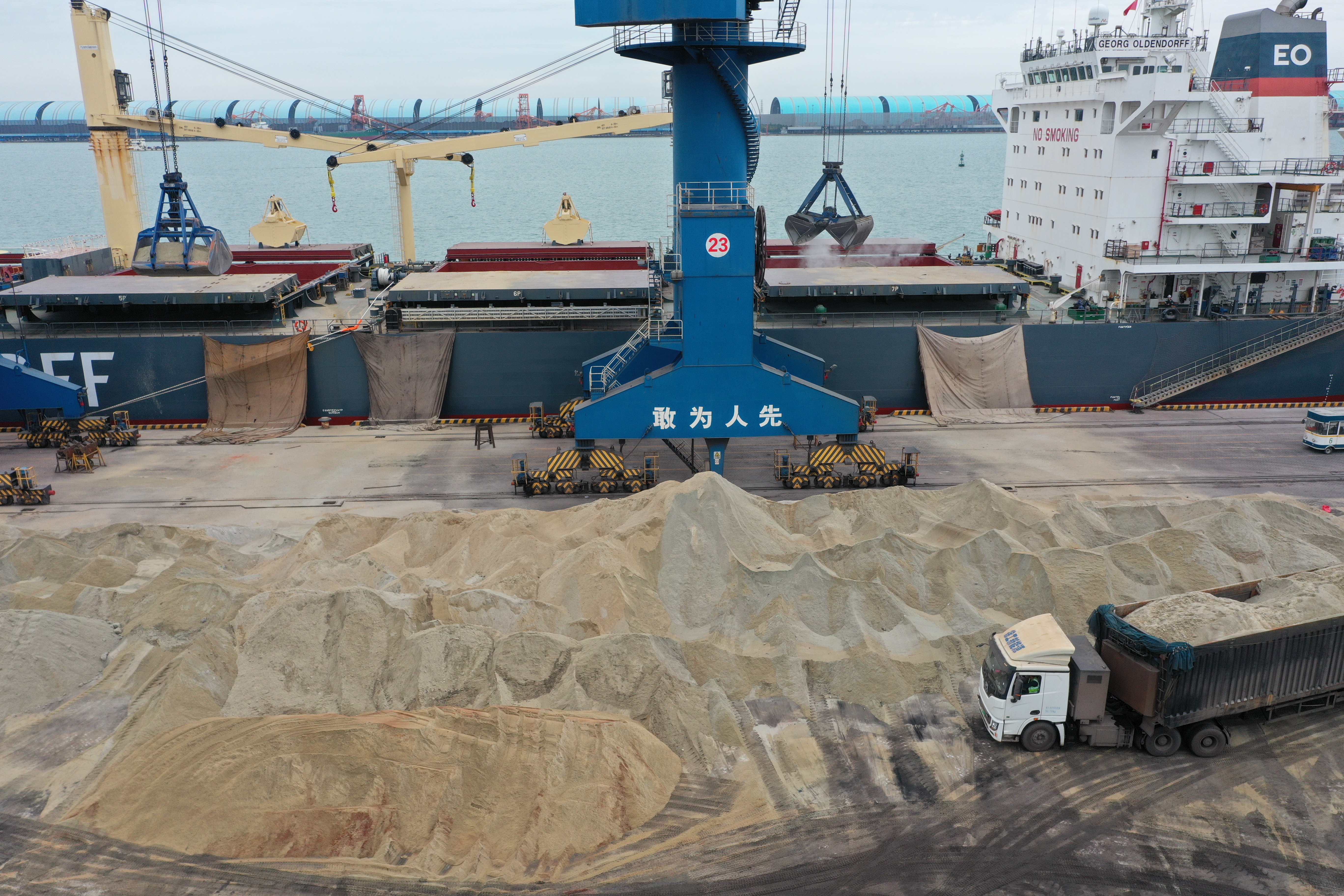
In a firm or volatile market, the best commercial window can be brief. Qualified material, available stock, port coordination and document preparation allow a buyer to evaluate options without rebuilding the shipment plan each time freight moves. SENLAN supports GBFS and GGBFS cargo planning from Caofeidian, including bulk-vessel and jumbo-bag options according to customer requirements.

Takeaway: Current dry bulk strength is a reminder to separate headline sentiment from route-specific execution. For cementitious cargoes, early vessel-fit checks, realistic laycan planning and a shipment-ready supply base provide more resilience than waiting for a perfect freight signal. Industry signal sources: Baltic Exchange market reporting dated 31 July 2026; Diana Shipping charter reporting dated 28 July 2026; BIMCO-related market analysis published 1 August 2026.
7 月下旬至 8 月初的航运报道显示,干散货市场有所走强,包括租船成交价上升以及短期供需平衡保持支撑。同时,行业分析也提醒,部分强势来自航线延长和船舶部署受扰,而不只是基础大宗商品货量增长。对水泥、熟料、GBFS 和 GGBFS 货盘而言,这一区别很重要,因为即使产品需求稳定,有效船舶供给仍可能迅速收紧。
1. 有效运力比船队总量更重要
船舶执行更长航程时仍被计入船队,但在更多天数内无法承接下一票货。受限航道绕航、港口拥堵与天气延误都会减少现实可用运力。买方应关注具体货盘所需的船型和航线,而不能把综合干散货指数当作完整运费报价。
2. 提前明确参数有助于运费决策
进入运费市场前,买方应确认数量、货物规格、装载方式、目的港限制和预计 laycan。这些信息决定适配船型、装卸要求和航次假设。明确货盘参数还能让不同运费方案更具可比性,避免运营问题尚未解决时错过可行船期。
3. 发运准备度保留选择空间
在偏强或波动市场中,合适的商业窗口可能很短。合格材料、可用库存、港口协调和单证准备,可以让买方在运费变化时直接评估选项,而无需反复重建发运计划。SENLAN 以曹妃甸为 GBFS 与 GGBFS 供应执行基地,可按客户要求支持散装船及吨袋发运规划。
结论:当前干散货市场走强提醒买方,应区分整体市场情绪与具体航线执行。对胶凝材料货盘而言,提前核对船型适配、制定现实 laycan 并建立可发运供应基础,比等待“完美运费信号”更具韧性。行业信号来源:2026 年 7 月 31 日 Baltic Exchange 市场报道、7 月 28 日 Diana Shipping 租船信息,以及 8 月 1 日发布的 BIMCO 相关市场分析。
Planning a GBFS or GGBFS shipment?
Share specification, quantity, destination port, loading method and expected laycan so material and freight readiness can be assessed together.
正在规划 GBFS 或 GGBFS 发运?
请提供规格、数量、目的港、装载方式和预计 laycan,以便同步评估材料与运费准备度。