2026-07-28
Bangladesh Cement Export Growth Highlights Corridor Readiness
A 5.4% rise in FY26 cement exports shows how modest regional trade growth can reward repeatable logistics, cargo readiness and dependable supply execution.
孟加拉国水泥出口增长凸显区域走廊准备度
FY26 水泥出口同比增长 5.4%,说明区域贸易的稳步增长正在奖励可重复物流、货盘准备度与可靠供应执行。
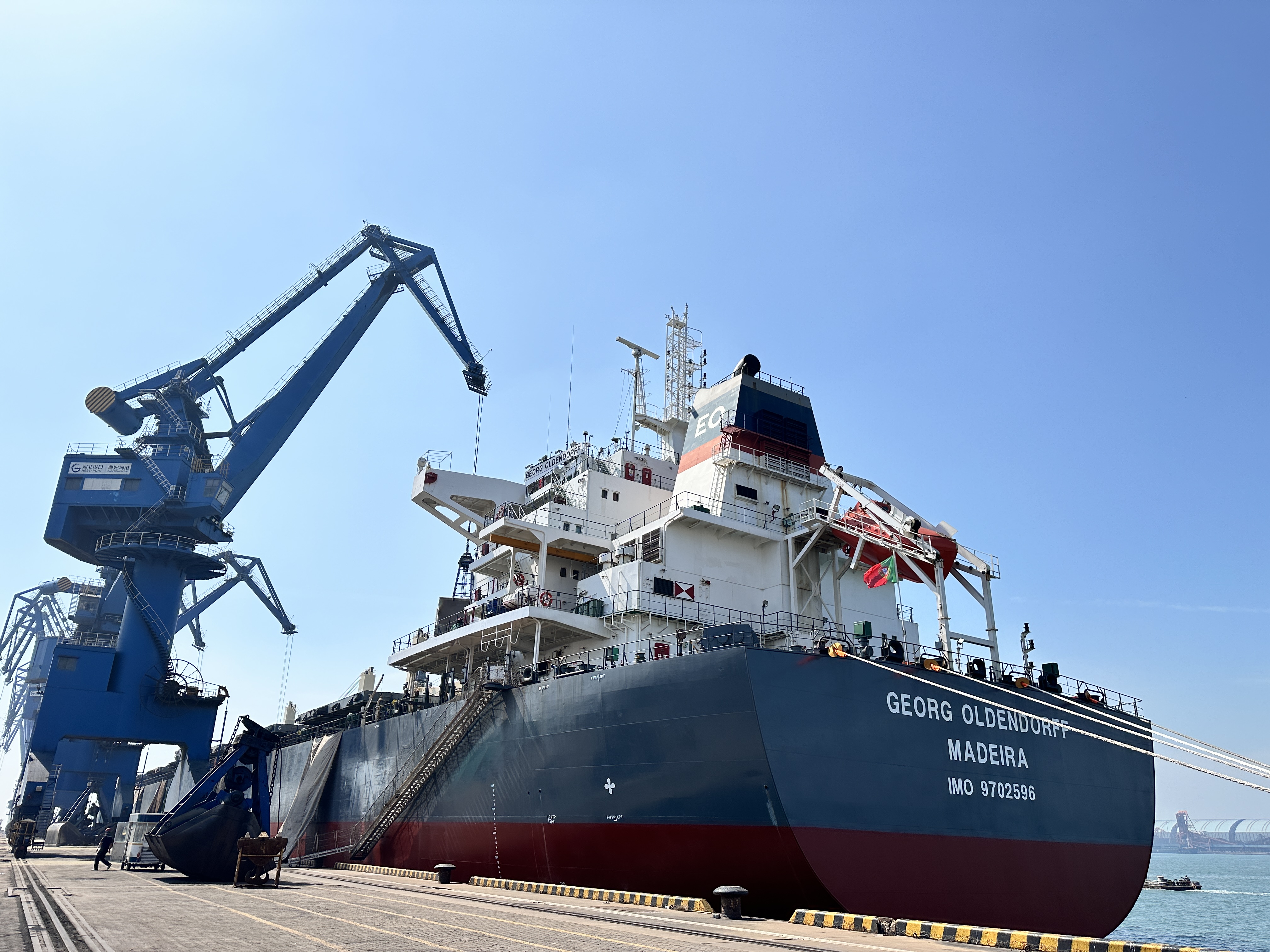
Recent industry reporting shows Bangladesh recorded 5.4% year-on-year growth in cement export earnings during the July 2025 to June 2026 fiscal year. The gain arrived even as the country's overall merchandise export earnings edged lower, making cement a useful example of how focused regional demand can support a building-material trade lane.
1. Regional growth is won through repeatability
A single shipment can respond to a temporary requirement; sustained export growth needs a corridor that works repeatedly. Suppliers and buyers must align specification, shipment size, loading window, vessel suitability and destination-port capability. In cementitious materials, execution consistency can matter as much as the nominal product price.
2. Export momentum increases the value of early planning
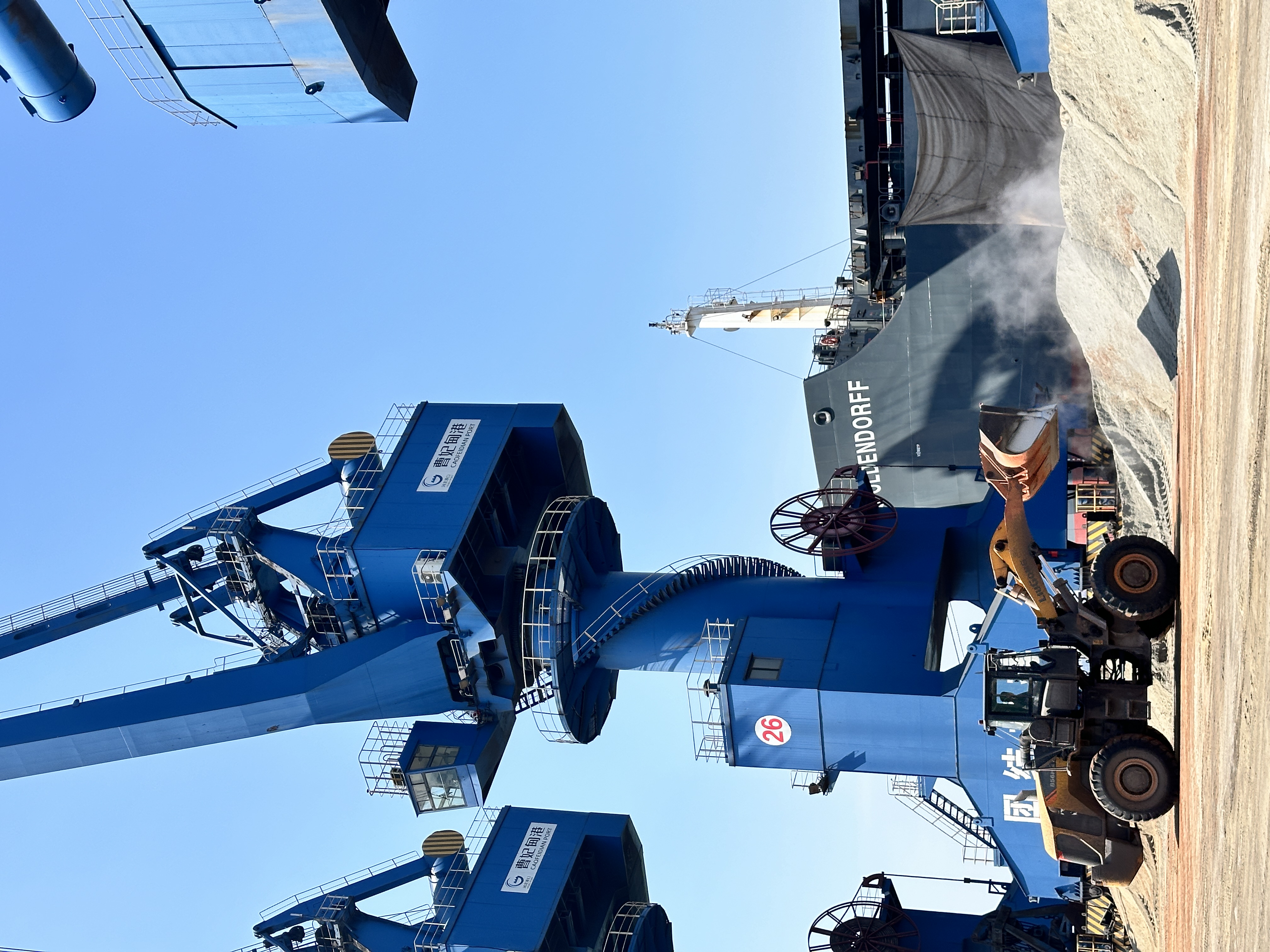
When nearby markets absorb more cargo, vessel availability and port windows can tighten unevenly. Buyers should confirm quantity, specification, loading method and expected laycan before treating an indicative offer as a workable shipment. Early coordination reduces the risk of missed windows, avoidable storage and last-minute freight changes.
3. The signal extends beyond finished cement
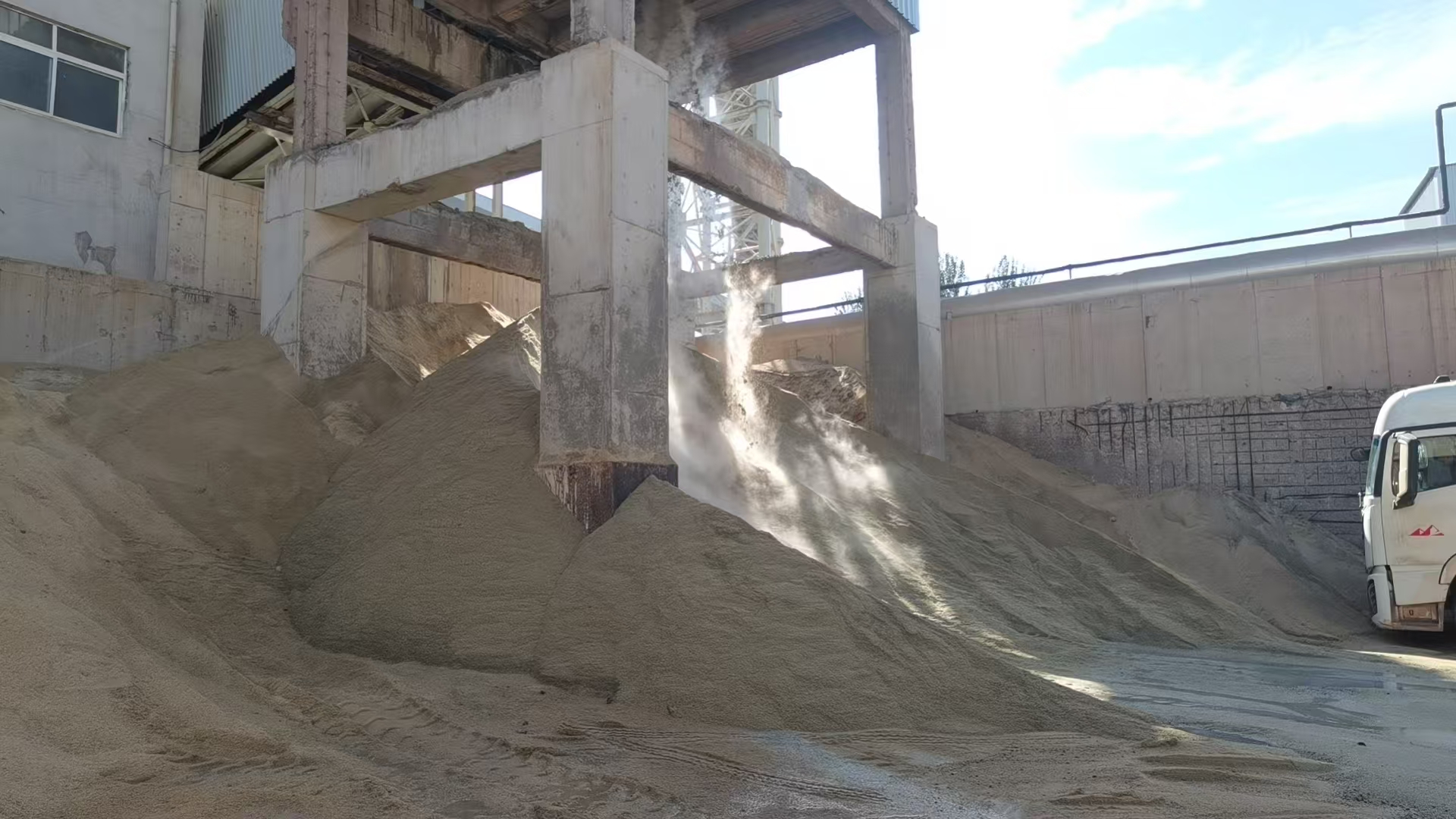
Growing cement trade also points to wider demand for qualified inputs and lower-clinker production strategies. GBFS and GGBFS can support cement producers seeking dependable supplementary cementitious materials, but only when material quality, stock control, documentation and bulk logistics are managed as one supply system.
Takeaway: Bangladesh's FY26 result is a compact but useful market signal: cementitious trade grows more sustainably when regional demand is supported by shipment-ready material, vessel-fit planning and dependable port execution.
近期行业报道显示,在 2025 年 7 月至 2026 年 6 月的财政年度内,孟加拉国水泥出口收入同比增长 5.4%。同期该国整体商品出口收入略有下降,因此水泥行业的增长更能说明:明确的区域需求能够支撑建材贸易走廊。
1. 区域增长取决于可重复执行
单次发运可以满足临时需求,但持续出口增长需要一条能够反复运转的走廊。供需双方必须协调规格、单船数量、装货窗口、船型适配和目的港能力。对胶凝材料而言,执行一致性的重要程度并不低于产品名义价格。
2. 出口动能提升了提前规划的价值
当周边市场吸收更多货量时,船舶供应和港口窗口可能出现不均衡收紧。买方应在把意向报价视为可执行方案之前,确认数量、规格、装载方式和预计 laycan。提前协调有助于降低错过窗口、额外堆存和临时运费变化的风险。
3. 这一信号不只涉及成品水泥
水泥贸易增长也意味着合格原料和低熟料生产策略的需求可能扩大。GBFS 与 GGBFS 可以支持水泥企业获得可靠的补充性胶凝材料,但前提是材料质量、库存控制、单证和散货物流被当作一个完整供应体系管理。
结论:孟加拉国 FY26 的结果虽然幅度温和,却是一个实用市场信号:只有区域需求得到可发运材料、船型适配规划和可靠港口执行的共同支撑,胶凝材料贸易才能更持续地增长。
Planning a GBFS or GGBFS shipment?
Share specification, quantity, destination port, loading method and expected laycan so material and voyage readiness can be checked together.
正在规划 GBFS 或 GGBFS 发运?
请提供规格、数量、目的港、装载方式和预计 laycan,以便同步核对材料与航次准备度。